
Angels of These Other Worlds
25 Feb 2025

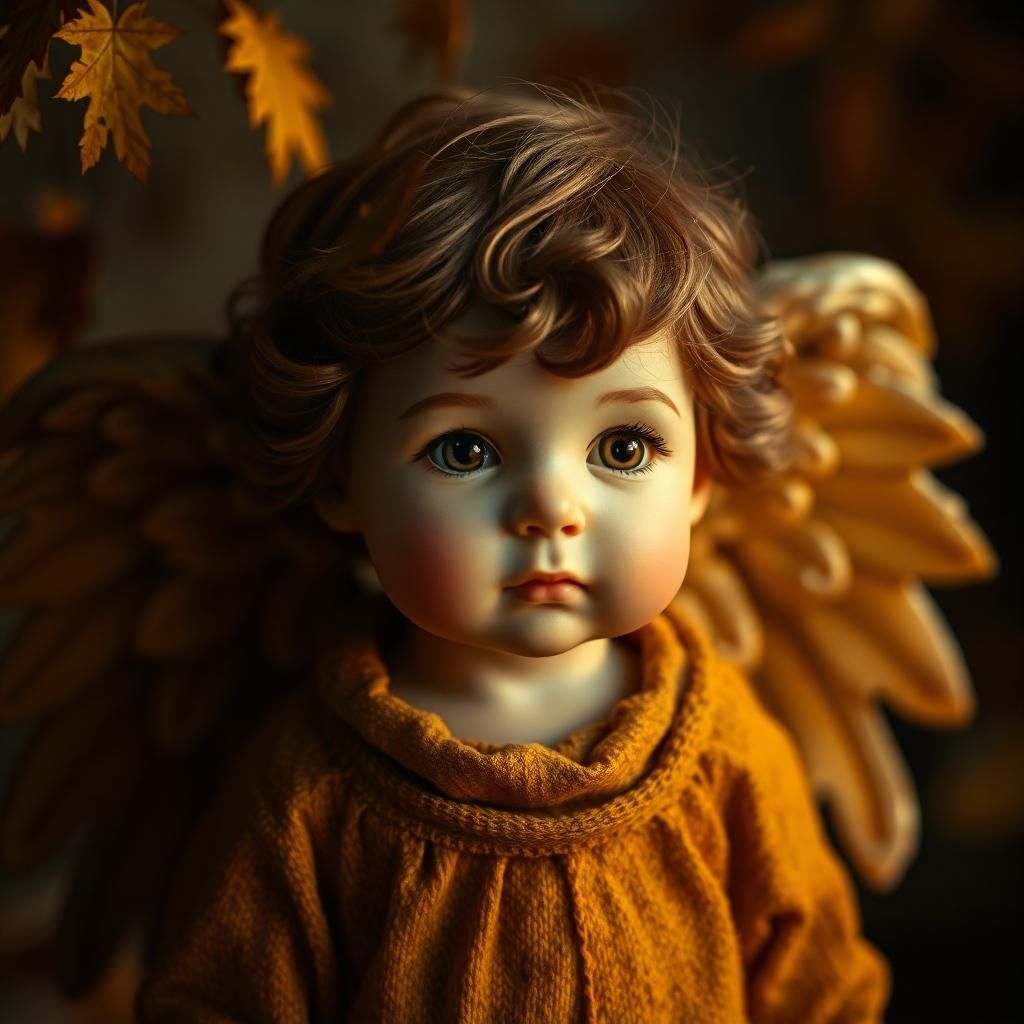
Guardian angels: they guard. They give warning when danger approaches. But we have to listen to them. We have to inner listen! To close our eyes, listen to instinct, to believe!
The History of Angels – Messengers from Other Worlds
Introduction: Celestial Messengers and the Human Imagination
Angels, as celestial beings, have captivated human imagination for millennia. From the ancient myths of Mesopotamia and Egypt to the structured hierarchies in the Abrahamic faiths, they have evolved as symbols of divine will, protection, justice, and enlightenment. These beings have not only shaped religious narratives but have also influenced art, literature, and philosophical thought, representing the bridge between the physical and the metaphysical, the human and the divine.
The concept of angels extends beyond monotheistic religions; similar beings appear in Hinduism, Buddhism, Zoroastrianism, and even indigenous traditions, often acting as guardians, guides, or cosmic watchers. This chapter traces the historical journey of angels, from their origins in ancient civilizations to their evolution as metaphorical beings that continue to expand human consciousness, inspiring visions of higher realities and the pursuit of goodness.

Angels in Ancient Civilizations: Celestial Messengers and Guardians
Mesopotamian and Sumerian Origins: The First Divine Intermediaries
The earliest concept of angelic figures can be found in Mesopotamian mythology (c. 3000 BCE). The Sumerians, Akkadians, Babylonians, and Assyrians depicted celestial beings as divine messengers and warriors who served the gods.
- The Igigi were lower deities who acted as servants to the more powerful Anunnaki.
- The Lamassu (winged lions or bulls with human heads) were guardian spirits placed at city gates, protecting people from evil.
- The apkallu, semi-divine sages, were often depicted as winged beings, bridging the human world and the gods.
Ancient Egypt: Winged Beings of Divine Power
Egyptian mythology, with its deep focus on the afterlife, featured winged deities and guardian spirits similar to later angelic figures. The Ba, a component of the human soul, was often depicted as a bird with a human head, capable of traversing between the divine and earthly realms.
- The Shesmu spirits were messengers between the gods.
- The Horus falcon, often depicted with outstretched wings, symbolized divine protection.
- The Uraeus (cobra-wearing winged beings) were guardians of the pharaoh, akin to the biblical cherubim.
Zoroastrianism: The First Hierarchical Angelic Order
One of the earliest structured angelic hierarchies comes from Zoroastrianism (c. 1500 BCE), which heavily influenced later Jewish, Christian, and Islamic angelology.
- The Amesha Spentas, seven divine emanations of Ahura Mazda, were akin to archangels, representing virtues such as truth, justice, and purity.
- The Yazatas were lesser angelic beings, responsible for protecting the world against Ahriman (the force of darkness).
Zoroastrianism’s dualistic cosmology laid the groundwork for later concepts of angelic beings battling forces of evil.
Angels in the Abrahamic Traditions
Judaism: Messengers and Warriors of the Divine
In early Jewish thought, angels were divine messengers (malakhim), warriors, and intermediaries between God and humanity.
- Cherubim and Seraphim: These celestial beings guarded sacred spaces, such as the entrance to Eden (Genesis 3:24). Seraphim, described in Isaiah 6:2 as having six wings, were associated with divine glory and purification.
- Archangels: Texts like the Book of Enoch introduced structured angelic orders, naming Michael (the warrior), Gabriel (the messenger), Raphael (the healer), and Uriel (the guide).
- The Watchers (Nephilim): In Enochian literature, these fallen angels descended to Earth and corrupted humanity, leading to the Great Flood narrative.
Over time, Jewish mysticism, particularly Kabbalah, expanded the angelic hierarchy, defining ten angelic spheres (Sephirot), each representing different aspects of divine consciousness.
Christianity: Angels as Guides, Protectors, and Revelators
Christianity absorbed and expanded upon Jewish angelology, making angels essential figures in divine communication, protection, and judgment.
- The Annunciation (Gabriel to Mary) and other biblical events highlight their role as bearers of divine will.
- Michael, the archangel, became the great warrior against evil, leading the heavenly host in the battle against Satan (Revelation 12:7-9).
- Guardian Angels: Christian tradition developed the idea that every human has a personal angelic protector.
During the Middle Ages, Christian angelology became highly structured, with scholars like Thomas Aquinas defining nine angelic choirs (e.g., Thrones, Dominions, Principalities), each with specific cosmic duties.
Islam: Angels as Recorders and Executors of Divine Will
Islamic belief, influenced by Jewish and Christian traditions, views angels (mala’ika) as beings created from light, carrying out God’s will without free will.
- Jibril (Gabriel): The supreme messenger who delivered the Qur’an to Muhammad.
- Mikail (Michael): The sustainer of life and nature.
- Israfil: The angel who will blow the trumpet signaling the Day of Judgment.
- Azrael: The angel of death.
Islamic texts also mention Kiraman Katibin, angels who record every human action, reinforcing moral consciousness.
Angels Beyond Religion: Metaphors for Human Evolution
Over time, angels evolved beyond their religious roles and became symbols of moral conscience, enlightenment, and creativity.

Renaissance and Enlightenment: Angels as Inspiration
During the Renaissance, artists such as Leonardo da Vinci, Michelangelo, and Raphael painted angels as sublime beings of beauty and wisdom. Poets like Dante Alighieri (Divine Comedy) and John Milton (Paradise Lost) explored angelic narratives in the grand cosmic struggle between good and evil.
Modern Interpretations: Angels in Popular Culture
Today, angels appear in literature, film, music, and philosophy, reflecting humanity’s ongoing fascination with higher states of existence.
- Carl Jung interpreted angels as manifestations of the human psyche—archetypes guiding self-realization.
- Science fiction depicts angel-like extraterrestrial beings (e.g., Arthur C. Clarke’s Childhood’s End).
- New Age beliefs see angels as energy forms, spirit guides, or ascended beings aiding human evolution.
Angels as Metaphors for Human Goodness and Consciousness Expansion
Angels represent the human capacity to dream, create, and manifest higher ideals. They symbolize:
- Hope in adversity
- Divine inspiration in art and thought
- The human yearning for transcendence and unity with the cosmos
As humanity evolves, so does the angelic concept—expanding from divine messengers to embodiments of cosmic intelligence, quantum consciousness, and spiritual enlightenment.
Conclusion: The Eternal Presence of Angels in Human Thought
Angels, whether real or metaphorical, have been guardians of the imagination, guiding civilizations through darkness and light. Their transcendence across history, religion, and culture reflects humanity’s enduring search for meaning, higher consciousness, and divine connection.
As our understanding of the universe deepens, perhaps angels are not just celestial beings of old myths but archetypes of the boundless human spirit, forever reaching toward the search and bridge for the infinite.
Read More:
seeing an owl at night spiritual meaning
the enchanting history of fairies myth folklore and literary evolution


