
resources
City Guide: Seoul

1. Introduction
Seoul is South Korea's capital and the beating heart of one of Asia's most dynamic economies, a city where cutting-edge technology meets centuries-old tradition, where neon-lit skyscrapers tower over ancient palaces, and where K-pop culture coexists with Buddhist temples.
The basics: Seoul proper is home to approximately 10.03-10.35 million people as of 2025, but the greater metro area (including Incheon and Gyeonggi Province) houses around 25-25.6 million, roughly half of South Korea's entire population of 51.7 million. The city sprawls across about 605 square kilometers, divided into 25 districts (gu). Everyone speaks Korean (Hangul), though English signage is widespread in central areas. The city operates on Korea Standard Time (UTC+9).
Why Seoul matters: This is where Samsung, LG, Hyundai, and countless tech unicorns call home. Seoul ranks #8 globally in the startup ecosystem (up from #9 in 2024), scored perfect 10s in both Knowledge Accumulation and Funding categories, and hosts over 1,750 startups with $8.57 billion in total funding. The city's economy is valued at approximately $1.87 trillion (South Korea's overall GDP in 2024), making it the 13th largest economy globally. If you want to understand where Asia's tech, entertainment, and cultural trends are heading, you need to understand Seoul.
2. History and Heritage
Seoul's history stretches back over 2,000 years, first recorded as Wiryeseong, capital of the Baekje Kingdom in 18 BC. But the city as we know it today really took shape in 1394 when it became the capital of the Joseon Dynasty, which ruled Korea for over 500 years.
The Joseon period gave Seoul its "Five Grand Palaces", massive royal compounds that still dominate the cityscape. Gyeongbokgung Palace, built in 1395 and meaning "Palace Greatly Blessed by Heaven," is the largest and most majestic, featuring over 330 buildings and 5,700 rooms. The Japanese invasion in 1592 burned it down, leaving it in ruins for centuries until reconstruction began in 1865. Other palaces—Changdeokgung, Changgyeonggung, Deoksugung, and Gyeonghuigung, each tell their own stories of royal intrigue, architectural brilliance, and cultural preservation.
The 20th century brought trauma and transformation. Japanese colonial rule (1910-1945) left deep scars. The Korean War (1950-1953) devastated the city, Seoul changed hands four times, leaving over 50% of residents homeless and the population swelling to 2.5 million with refugees. What followed is known as the "Miracle on the Han River", South Korea's astounding economic transformation from a war-torn, impoverished nation to one of the world's largest economies. By the end of the 20th century, Seoul had evolved into the sprawling metropolis it is today, hosting the 1988 Olympics and joining the G20 in 2010.
Walk through Bukchon Hanok Village today, where 900 traditional hanok houses dating back to the Joseon Dynasty nestle between palaces, and you'll see this history literally built into the landscape. In contrast, ancient wooden structures surrounded by gleaming skyscrapers is Seoul in a nutshell.
3. Geography and Climate
Seoul sits in the northwestern part of South Korea, nestled in a basin surrounded by mountains (including Bukhansan National Park to the north) with the mighty Han River cutting through its heart. The river divides the city into "Gangbuk" (north of the river—the traditional center) and "Gangnam" (south of the river—the modern commercial district made globally famous by PSY's "Gangnam Style").
Four distinct seasons define Seoul's climate, and they're not subtle:
- Spring (April-June): Cherry blossoms explode across the city, temperatures warm to pleasant 15-25°C, and everyone agrees this is the best time to visit
- Summer (July-August): Brutally hot and humid (25-35°C), with monsoon rains bringing heavy downpours
- Autumn (September-November): Spectacular fall foliage, comfortable temperatures (10-20°C), and generally clear skies, another prime visiting season
- Winter (December-March): Stupidly cold (often -5 to 5°C, occasionally plummeting to -15°C or lower), with occasional snow and biting winds from Siberia
The mountains provide stunning backdrops and hiking opportunities, but they also trap pollution. Air quality can be problematic, especially in winter and spring when fine dust (미세먼지, Misemeonji) from China and local sources creates hazy conditions. Most Koreans check air quality apps daily and wear masks when PM2.5 levels spike.
4. Demographics and Culture
Seoul's population is remarkably homogeneous—over 99% Korean by ethnicity. As of 2025, the foreign population remains relatively small at around 280,000-400,000 people out of 10+ million residents. Of these foreigners, about 66% are Chinese citizens of Korean ancestry (조선족, Joseonjok), followed by Chinese nationals, Americans, and other nationalities.
The demographic crisis is real: South Korea has the world's lowest birthrate, and Seoul reflects this trend. The population has actually been declining slightly in recent years as younger Koreans delay or forgo marriage and children. According to projections, if current trends continue, South Korea's population could drop to just 15.73 million by 2125 (optimistic scenario) or even 7.53 million (worst case)—less than Seoul's current population alone.
Religion: About 44% of South Koreans identify as religious. Among believers, Christianity is dominant (63% of the religious population, is split between 45% Protestant and 18% Catholic), followed by Buddhism (35%), with small minorities practicing Confucianism, Won Buddhism, Cheondogyo, and Islam. Seoul is dotted with churches (often lit up with neon crosses at night), Buddhist temples in quieter neighborhoods, and the occasional mosque.
Cultural calendar: Seoul's year pulses with celebrations. The Lunar New Year (Seollal) and Chuseok (Korean Thanksgiving) see the city empty out as families return to ancestral hometowns, expect ghost-town vibes but also incredible traffic jams. Cherry blossom season (early April) brings crowds to parks and riversides. The Seoul Lantern Festival lights up Cheonggyecheon Stream. K-pop concerts, art exhibitions, film festivals, and food markets happen year-round. Traditional festivals blend with ultra-modern events—you might stumble upon a traditional drum performance in Insadong one day and catch a BTS pop-up store the next.
The vibe: Seoul operates at breakneck speed. Work culture is intense (Korea has among the longest working hours in the OECD), but so is the play-hard culture. Social media is life—Instagram-worthy cafes are everywhere, and "aesthetic" is a way of life. Respect for hierarchy (based on age and position) remains strong, especially in professional settings, though younger generations are pushing back against some traditions. The city is safe (women walk alone at midnight without fear), clean (litterers face social shame), and supremely convenient (24/7 convenience stores, delivery everything, world's fastest internet).
5. Economy and Business Environment
Seoul is South Korea's undisputed economic engine, and the numbers are staggering. South Korea's nominal GDP hit approximately $1.87 trillion in 2024, making it the world's 13th largest economy. Seoul and its metropolitan area account for roughly half of this economic output, contributing an estimated $900+ billion.
2025 Economic Reality: The picture is mixed. South Korea's economy grew just 0.6% quarter-over-quarter in Q2 2025, avoiding technical recession but showing weakness. Year-over-year growth sat at 0.5% in Q2 2025, with full-year 2025 projections revised down to 0.8-0.9%—the slowest pace since 2020. The Korea Development Institute projects GDP growth of 0.8% for 2025, constrained by weak construction investment (down 8.1%) and sluggish domestic consumption. However, Q2 2025 saw private consumption expand 0.5% and government expenditure rise 1.2%, showing some recovery.
Economic Structure (2023 data):
- Services: 63.8% of GDP—retail, tourism, finance, tech services
- Manufacturing: 26.5% of GDP—semiconductors, automobiles, shipbuilding, electronics, steel
- Agriculture: Less than 2% of GDP but employs about 4% of workers
The Export Machine: Exports account for about 44% of South Korea's GDP, with the U.S. as the second-largest export market. Semiconductors dominate—in 2025, global memory semiconductor sales are projected to grow 17.1%. However, Seoul faces headwinds: Taiwan overtook South Korea in GDP per capita in 2025 for the first time since 2003 (Taiwan: $38,066 vs. South Korea: $37,430), and U.S. tariffs averaging 14.5% on Korean goods are weighing on exports.
Corporate Giants: Seoul is headquarters to global brands—Samsung Electronics, LG, Hyundai Motor, Kia, SK Telecom, and more. Samsung alone accounts for a massive chunk of South Korea's exports and R&D spending. These conglomerates (chaebols) dominate the economy and shape Korean business culture.
The Startup Boom: Here's where it gets exciting. Seoul ranks #8 globally in the startup ecosystem in 2025 (up from #9 in 2024), its highest ranking ever. The city scored:
- 10/10 in Knowledge Accumulation (ranked 1st globally)
- 10/10 in Funding (ranked 5th globally, 1st in Asia)
- 9/10 in Ecosystem Performance
- 9/10 in Market Reach
Seoul's startup ecosystem is valued at over $237 billion, hosting 20 unicorns and 1,750+ startups with $8.57 billion in total funding. The ecosystem grew 30.3% in 2025. Major players include Yanolja (hospitality tech, unicorn status), Toss (fintech, 100M+ users), Coupang (e-commerce, dubbed "Korea's Amazon"), Zigbang (prop-tech, $895M+ valuation), and countless AI, biotech, and robotics startups.
Government Support: The government allocated $11.5 billion for innovation funding in 2025. Programs like K-Startup Grand Challenge attract global entrepreneurs. Seoul is building the world's largest startup campus—the Seoul Unicorn Startup Hub in Seongsu-dong—opening by 2030 with 100,000 sq m hosting 1,000 startups. In February 2025, South Korea opened the Global Talent Center to recruit 1,000 foreign high-tech experts by 2030, and launched the K-Tech Pass program offering expedited visas for foreign tech workers.
R&D Intensity: South Korea's R&D spending hit 5.0% of GDP in 2023—second highest among OECD countries. Investment focuses on AI, semiconductors, biotech, quantum tech, and advanced batteries. The goal? Become a global leader in AI and biotechnology by 2030-2035.
Business Culture: Hierarchical, relationship-driven (관계, gwangye), and demanding. Long hours are normalized, though younger workers are pushing for better work-life balance. Business cards are exchanged with two hands and a bow. Drinking culture (회식, hwisik) remains strong—bonding over soju and Korean BBQ is practically mandatory. However, Seoul's startup scene is bringing Silicon Valley's more casual, innovation-focused culture into the mix.
Challenges: High household debt, an aging population, low birthrate, and increasing global trade tensions all weigh on Seoul's economic future. But the city's emphasis on education, innovation, and technological adaptation keeps it competitive.
6. Infrastructure and Urban Development
Seoul's infrastructure is world-class, efficient, clean, technologically advanced, and continuously improving. The city serves as a model for transit-oriented development, smart city initiatives, and urban planning.
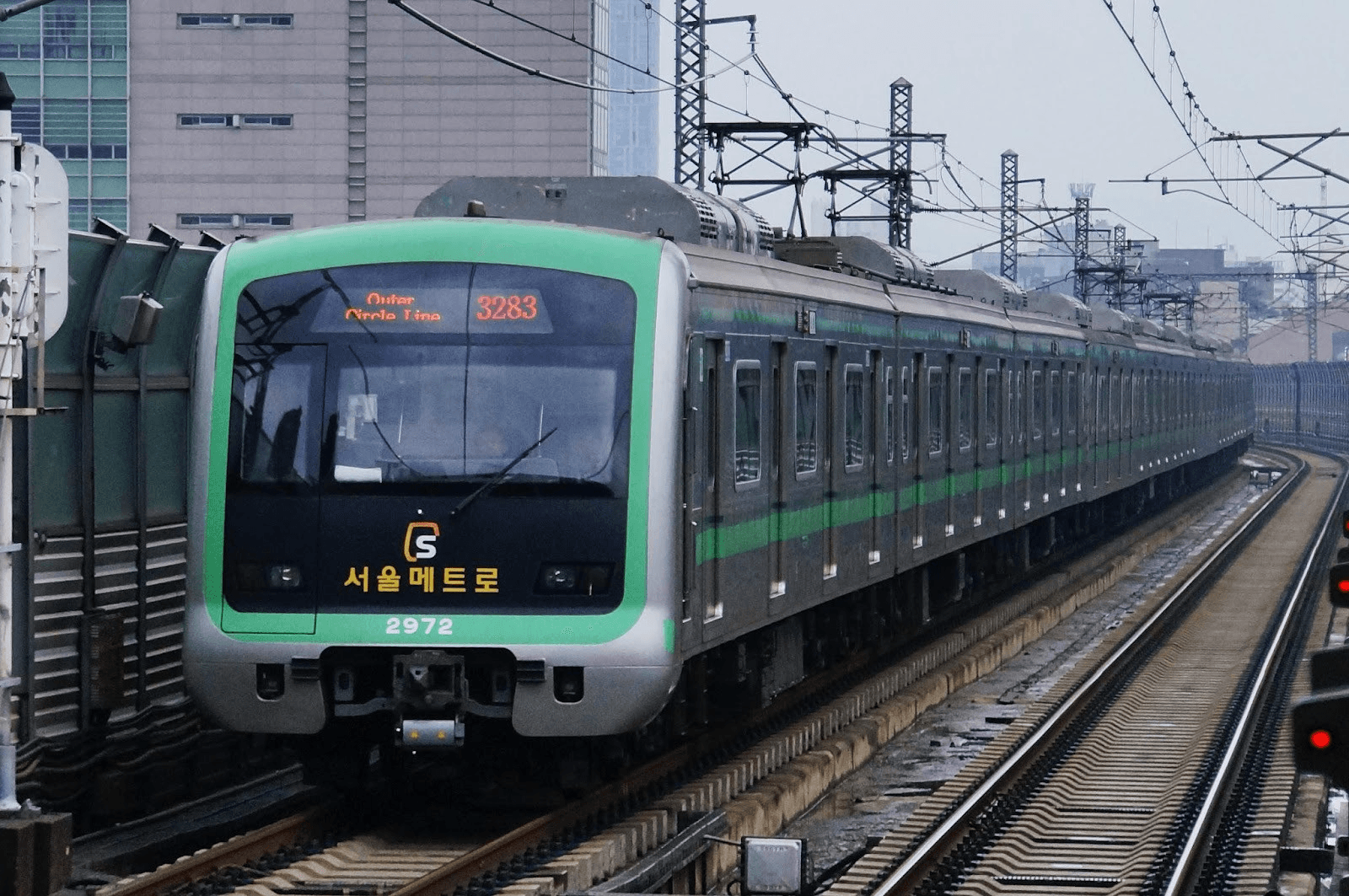
The Metro System: Seoul's subway is legendary, and for good reason. It's one of the longest metro systems in the world, with 23 lines covering over 300 kilometers and connecting 624 stations across the metropolitan area. Daily ridership on Lines 1-8 alone exceeds 2.4 billion passengers annually (about 7.2 million per day).
Recent Upgrades (2024-2025):
- New subway map redesign (April 2025): First major overhaul in 40 years, using "octolinear" design principles to improve readability. The redesign reduced station-locating time by up to 55% and transfer navigation time by up to 69%. Won the Red Dot Design Award in 2024
- Tagless payment system: World's first successful commercialization, allowing virtual terminal payments without tapping cards. By end of 2025, 646 gates across Lines 1-9 will support this
- AI interpretation service: Real-time translation system enabling foreign tourists to communicate with station staff via display screens
- Platform screen doors: Installed at all 345 stations (as of 2025), reducing annual subway deaths from 37.1 (2001-2009) to just 0.4 (2010-2024), cutting fine dust by 20%, and reducing platform noise by 7.9%
- Safety footplates: 589 units being installed at 74 stations by end of 2025 to prevent foot entrapment on curved platforms
- Train replacement: Old trains on Lines 4, 5, 7, and 8 being replaced with new models featuring air purifiers, wider seating, double safety devices, and PM10 reduction of 8%+
Upcoming Expansion:
- Dongbuk Line: Light metro in northeastern Seoul, scheduled to open July 2026 with 14 stations between Wangsimni and Eunhaeng Sageori
- Wirye Line: Light metro in southeastern Seoul, opening September 2026 from Macheon station on Line 5
- Line 3 Extension: 8 new stations across 17.4km from Saemteo Park to Pungyang, construction beginning 2025 for 2031 completion
- Ui LRT Northern Branch: 3.5km extension with 3 new stations from Solbat Park to Banghak Station (Line 1), construction 2025-2031
- Dongtan Lines 1 & 2: Two tramway lines (16.9km with 17 stations, and 15.5km with 19 stations), construction early 2025 for December 2027 opening
GTX (Great Train eXpress): The game-changer. This super-fast regional rail network will operate 40-50m underground at speeds up to 180km/h (average 116km/h), connecting the entire metro region. GTX-A, the first line, connects Unjeong (north) to Dongtan (southwest) via Seoul Station—76.9km with only 9 stops, completing trips in 36 minutes (3-4 times faster than standard metro). It's opening in phases, with GTX-B and GTX-C lines to follow.
Climate Card (2025): Unlimited monthly pass for ₩65,000 (~$48 USD) covering subway, buses, and Seoul Bike rentals—a game-changer for residents and long-term visitors. Also available: 1-day pass (₩5,000), 7-day pass (₩20,000).
Buses: Seoul's bus system is extensive, with dedicated bus lanes on major streets. Real-time arrival screens at stops show dozens of lines. The system integrated with the subway in the early 2000s, allowing free transfers—this reform revolutionized Seoul's transit and became a model for other cities.
T-money & Payment: The T-money smart card system (introduced decades ago) now supports contactless payment, Apple Pay, Samsung Pay, and credit cards. Base subway fare is ₩1,550 (~$1.15 USD), with increments for distance. It's incredibly affordable compared to Western cities.
Roads & Traffic: Let's be honest—traffic is still brutal during rush hours (7:30-9:30 AM, 6-8 PM). Seoul has invested heavily in toll roads and smart traffic management, but congestion remains a major challenge. Many residents avoid driving in favor of the excellent public transit.
Smart City Initiatives: Seoul is a global leader in smart city tech. Free WiFi is available virtually everywhere (stations, buses, trains, public spaces). The city uses AI-powered traffic management, digital government services, and data-driven urban planning. You can report potholes, request services, and track city operations through smartphone apps.
Real Estate Development: The city is in a constant state of construction. High-rise apartments dominate the skyline, with new developments catering to the growing middle class. Areas like Gangnam, Songpa, Gangdong (south of the river) command premium prices, while northern districts and suburbs offer more affordable options.
7. Education and Research
Seoul is South Korea's educational epicenter, hosting the nation's most prestigious universities and attracting students from across the country and abroad.
Top Universities:
- Seoul National University (SNU): South Korea's most prestigious university, often called the "Harvard of Korea." Admission is fiercely competitive
- Korea University: One of the "SKY" universities (Seoul National, Korea, Yonsei), with strong programs in law, business, and international studies
- Yonsei University: Another SKY member, known for medicine, engineering, and global programs
- Other major institutions: KAIST (Korea Advanced Institute of Science and Technology), Hanyang University, Ewha Womans University (largest women's university in the world), Sogang University, Sungkyunkwan University (founded in 1398!), and many more
The Education Obsession: South Korea's education culture is intense. Students routinely study until midnight, especially in high school, attending hagwons (private cram schools) after regular school ends. The college entrance exam (수능, Suneung) is a national event—flights are grounded, construction stops, and businesses adjust hours so students can take the test in silence.
International Schools: Seoul has numerous international schools catering to expat families—Seoul Foreign School, Yongsan International School, Seoul International School, and others. Tuition is expensive (often $20,000-40,000+ per year), but these schools follow American, British, or IB curricula.
Research & Innovation: Seoul's universities drive South Korea's R&D engine. Collaboration between academia and industry is strong, particularly in semiconductors, AI, biotech, and engineering. Seoul Biohub, hosted by KIST (Korea Institute of Science and Technology) and Korea University, housed 130 biomedical startups as of 2023.
EdTech: The COVID-19 pandemic accelerated digital learning adoption. Korean EdTech startups are thriving, though specific Seoul-based companies weren't detailed in search results.
8. Technology and Innovation
Seoul isn't just a tech hub, it's one of the world's most technologically advanced cities, and living here feels like stepping into the future.
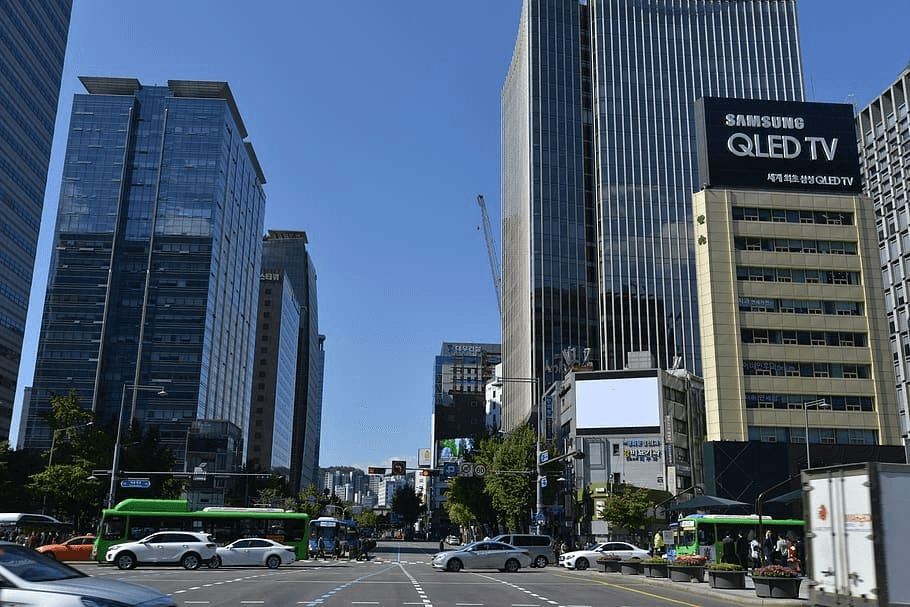
Startup Ecosystem: As mentioned earlier, Seoul ranks #8 globally with 1,750+ startups, $8.57B in funding, and 20 unicorns. Key sectors include:
- AI & Big Data Analytics: Identified as a "strong performer" in Seoul's ecosystem. OpenAI partnered with Kakao in February 2025 to develop AI products for KakaoTalk (Korea's ubiquitous messaging app). SK Telecom unveiled plans for a 100+ MW hyperscale AI data center in Seoul
- Fintech: Toss leads with 100M+ users. Other players include Viva Republica, Dunamu (operator of Upbit, Korea's largest crypto exchange), and countless payment startups
- E-commerce & Delivery: Coupang dominates, but Kurly, Market Kurly, and others compete. Delivery is insanely fast—you can order groceries at midnight and have them arrive within hours
- HealthTech: Telehealth and digital health platforms expanded post-COVID
- PropTech: Zigbang (real estate listings, unicorn status), Hogangnono (nationwide apartment service)
- Life Sciences: Seoul Biohub, SK Bioscience's $1.8B R&D investment through 2027, Denmark-Korea Biotech Partnership
- Robotics: Seoul invested $158M (2023-2026) to foster robotics as a strategic industry. Hyundai and Kia's Robotics LAB launched the "X-ble Shoulder" wearable robot in November 2024. Samsung Electronics became the largest shareholder of Rainbow Robotics in December 2024 with a $181M stake
- Advanced Manufacturing: Smart Tech Korea 2025 (June) showcased AI, Big Data, industrial robots, and smart manufacturing
Major Events:
- NextRise 2025 (June 26-27 at COEX): Asia's premier innovation fair, 7th edition, bringing together 3,600+ 1:1 business meetings. In 2024, 373 startups built partnerships and 102 raised KRW 400 billion (~$300M USD)
- Try Everything 2023 conference (September): Promoted Korea's startup ecosystem globally
- Seoul AI Innovation Tour 2024 (March)
- Seoul 2024 Venture Capital World Summit (February)
- Semicon Korea 2025 (February in Seoul): Showcased cutting-edge semiconductor tech
- RobotWorld 2024 (October): Korea's biggest specialized robotics exhibition
- Korea Life Science Week (November 2024): Pharmaceuticals, biohealth, regenerative medicine advances
Infrastructure for Startups:
- Seoul Unicorn Startup Hub (Seongsu-dong, opening 2030): World's largest startup campus, 100,000 sq m, hosting 1,000 startups
- Sector-specific hubs: Hongneung (biomedical/quantum), Yangjae (AI), Yeouido (fintech), Suseo (robotics), Sangam (creative industries)
- Seoul Business Agency: Public accelerator helping tech startups scale globally
- Google & Seoul partnership: AI Startup School launched February 2024
- Foreign investment incentives: Simplified registration, extended forex market hours (August 2024)
The K-Startup Grand Challenge: Government program bringing global startups to Korea with mentorship, funding, and market access.
Internet & Connectivity: South Korea has the world's fastest average internet speed. Free, fast WiFi is everywhere—cafes, subways, buses, parks. 5G coverage is extensive. Digital infrastructure is unparalleled.
Daily Life Tech: Payment is almost entirely digital—cash is rare. QR codes are everywhere. Food delivery apps (Baemin, Coupang Eats, Yogiyo) dominate. Real-time bus/subway tracking is standard. Virtual shopping via QR codes was pioneered at Seoul's Seolleung Station in 2011. Kakao apps (KakaoTalk, KakaoMap, KakaoTaxi, KakaoPay) are essential to Korean life.
9. Tourism and Lifestyle
Seoul is a city of contrasts—ancient palaces next to ultra-modern malls, traditional tea houses alongside neon-lit nightclubs, quiet Buddhist temples tucked between skyscrapers. There's genuinely something for everyone.
Must-See Historical Sites:
- Gyeongbokgung Palace: The grandest of the Five Grand Palaces (built 1395), with Changing of the Guard ceremonies at 10 AM and 2 PM. Free admission if you wear hanbok (traditional Korean clothing)! Closed Tuesdays. Adjacent to the National Folk Museum and National Museum of Korea
- Bukchon Hanok Village: 900 traditional hanok houses nestled between palaces. Stunning for photos but packed with tourists 10 AM-4 PM—go early or late
- Changdeokgung Palace: UNESCO World Heritage site with the famous Secret Garden
- Insadong: Cultural heart of Seoul, perfect for traditional crafts, antiques, art galleries, and tea houses
- Jogyesa Temple: Main Buddhist temple, serene escape in the city center
- Cheonggyecheon Stream: 11km restored urban stream running through downtown, perfect for walking and cooling off in summer
Modern Attractions:
- N Seoul Tower (Namsan Tower): Iconic 236m tower atop Namsan Mountain (total height 480m above sea level), offering 360-degree city views. Take the Namsan Cable Car up (3-minute ride accommodating 48 passengers). Famous for "Locks of Love" where couples attach love locks. Restaurants, observation decks, stunning at night
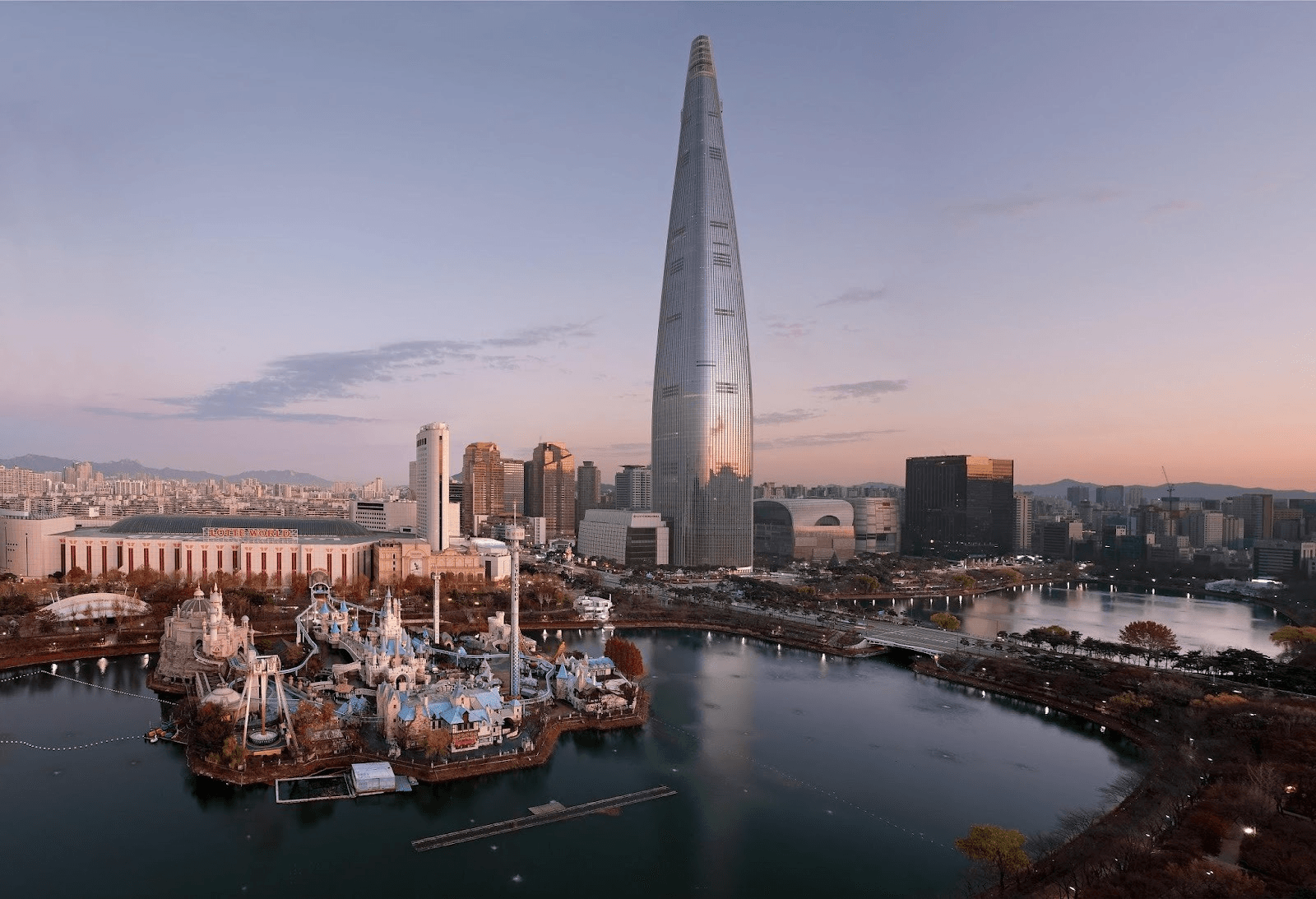
- Lotte World Tower: 123-story, 555m supertall skyscraper with observation decks
- Dongdaemun Design Plaza (DDP): Futuristic curved architecture by Zaha Hadid, hosting exhibitions, light shows (attracted 1M+ visitors since 2019), and markets
- Starfield COEX Mall: Asia's largest underground shopping mall with 300+ shops, megabox cinema, COEX Aquarium (40,000+ animals), and the iconic towering Starfield Library
- COEX Convention Center: Massive convention/exhibition space in Gangnam
Neighborhoods to Explore:
- Gangnam: Yes, that Gangnam (PSY's "Gangnam Style"). Skyscrapers, luxury shopping, high-end dining, stylish nightlife. South of the river, epitome of modern Seoul
- Hongdae (Hongik University area): Youth culture, indie music, street performances, nightlife, vintage shopping, trendy cafes. Best at night
- Itaewon: International district with diverse restaurants, bars, clubs. Hamilton Hotel area is particularly lively
- Myeongdong: Shopping paradise for beauty/skincare products and Korean fashion. Busy shopping streets, street food, endless cosmetics shops
- Seongsu-dong: The "Brooklyn of Seoul"—hipster haven with warehouse-converted art spaces, cafes, boutique shops, street art. Trendy and Instagram-worthy
- Gangnam's Garosu-gil & Apgujeong: Tree-lined streets with boutiques, cafes, upscale dining
- Samcheong-dong: Charming neighborhood near palaces with art galleries, cafes, traditional architecture
Markets:
- Gwangjang Market: Seoul's oldest traditional market (over 100 years), famous for authentic street food—bindaetteok (mung bean pancakes), mayak gimbap (addictive mini rolls), tteokbokki, sundae (blood sausage). Also textiles and vintage clothing
- Namdaemun Market: Korea's largest traditional market
- Dongdaemun Market: Massive shopping district open late into the night, wholesale fashion
Food Scene: Seoul is a food lover's paradise. From Michelin-starred restaurants to hole-in-the-wall joints to pojangmacha (street food tents), it's all incredible.
- Must-try Korean dishes: Korean BBQ (samgyeopsal, galbi), bibimbap, kimchi (obviously), tteokbokki, Korean fried chicken, jjajangmyeon (Korean-Chinese black bean noodles), budae jjigae (army stew), samgyetang (ginseng chicken soup), naengmyeon (cold noodles)
- Street food: Everywhere, cheap, delicious—tteokbokki, hotteok (sweet pancakes), bungeoppang (fish-shaped pastries), odeng (fish cakes), gimbap
- Dining costs: Street food and casual meals: ₩5,000-10,000 ($3.70-7.40 USD). Mid-range restaurants: ₩15,000-30,000 ($11-22 USD) per person. Korean BBQ can range from affordable to expensive depending on meat quality and location. Fine dining: ₩50,000+ ($37+ USD)
- Cafes: Seoul has more cafes per capita than almost anywhere. Aesthetic, Instagram-worthy, serving excellent coffee and desserts. Expect ₩5,000-7,000 ($3.70-5.20 USD) for a latte
- 24/7 convenience stores: GS25, CU, 7-Eleven everywhere. Great for cheap meals, snacks, drinks (including soju and beer)
Nightlife: Seoul never sleeps. Neighborhoods like Hongdae, Itaewon, and Gangnam stay lively until sunrise. Clubs, bars, karaoke rooms (noraebang), and late-night restaurants are everywhere. Soju and makgeolli flow freely. Clubbing in Gangnam can be pricey (₩10,000+ per beer), but you can get drunk for ₩2,000 with soju from 7-Eleven outside.
K-Pop & Entertainment: Seoul is the heart of Hallyu (Korean Wave). K-pop agencies (HYBE, SM, YG, JYP) are here. Visit K-Star Road in Gangnam for idol statues. Catch live performances, visit themed cafes (like BTS's favorite Yoojung Sikdang in Gangnam), or buy merch in Myeongdong.
Shopping: From traditional crafts in Insadong to luxury brands in Gangnam to vintage finds in Hongdae to beauty products in Myeongdong, shopping is a major Seoul activity. Department stores (Lotte, Shinsegae, Hyundai), underground malls, street markets—it's endless.
Unique Experiences:
- Jjimjilbang (Korean spa/sauna): 24-hour facilities with hot baths, saunas, sleeping areas. Ultra-relaxing and social. Dragon Hill Spa is famous
- Noraebang (karaoke rooms): Private rooms with friends, very different from Western bar karaoke. Hugely popular
- Hanbok rental: Wear traditional Korean clothing for palace visits (often gets you free entry)
- Baseball & esports: Catch a Korean Baseball League game or watch League of Legends/StarCraft tournaments
- Han River parks: Picnicking, cycling, exercising. Locals love spending time by the river, especially in nice weather. Banpo Bridge Moonlight Fountain Show illuminates 1km of fountains at night
- Bukhansan National Park: Stunning hiking trails and Buddhist temples, just north of the city. All skill levels welcome
- DMZ (Demilitarized Zone) tours: Day trips from Seoul to the heavily fortified border with North Korea. Sobering and fascinating
Seasonal Activities:
- Cherry blossoms (April): Yeouido Park, Seoul Forest, Seokchon Lake
- Autumn leaves (October-November): Parks and mountains explode with color
- Christmas & New Year: Myeongdong and City Hall area have festive decorations
- Seoul Lantern Festival (November): Cheonggyecheon Stream lit up with elaborate lanterns
Tourist Passes: Discover Seoul Pass offers included attractions and discounts. T-money card works for transit and even some convenience store payments.
10. Transportation
Seoul's transportation system is world-class—efficient, affordable, clean, and extensive. It's genuinely easier to get around Seoul without a car than with one.
Metro/Subway: As detailed earlier, 23 lines, 624 stations, 7.2 million daily riders. Trains run approximately 5:30 AM to midnight (varies by line). It's clean, safe, on time, and comprehensive. Signs are in Korean, English, Chinese, and Japanese. Station announcements are multilingual. Free WiFi on trains and in stations. Air conditioning in summer, heated seats in winter. Platform screen doors prevent accidents. Real-time arrival displays everywhere.
Buses: Color-coded by type—blue (main arterial routes), green (local neighborhood routes), red (express to suburbs), yellow (circular routes). Over 400 routes covering the entire city. Real-time tracking apps show exactly when your bus arrives. Dedicated bus lanes make them competitive with subway for some routes.
Taxis: Plentiful and relatively affordable. Regular taxis (silver/white) start at ₩4,800 (~$3.50 USD). Deluxe taxis (black) are pricier but roomier. Use apps like Kakao T for easy booking—most drivers don't speak English, so having your destination written in Korean or shown on a map helps. Late-night surcharge (midnight-4 AM) adds 20%.
Ride-hailing: Kakao T dominates (like Uber in other countries). Uber exists but is limited. Tada (van-hailing service) faced legal battles but operates in limited capacity.
KTX (High-Speed Rail): Seoul Station, Yongsan Station, and Suseo Station connect to Korea's excellent KTX network. Reach Busan (330km south) in under 3 hours at 300km/h. Day trips to Gyeongju, Jeonju, or coastal cities are easy.
Biking: Seoul Bike (Ttareungyi) is the city's bike-sharing system with thousands of bikes and docking stations. ₩1,000 per hour. Dedicated bike lanes along the Han River are popular for cycling. However, biking in traffic-heavy areas can be challenging—Seoul isn't as bike-friendly as Amsterdam or Copenhagen.
Walking: Many neighborhoods are very walkable. Myeongdong, Insadong, Hongdae, and Gangnam areas are pedestrian-friendly. Seoul has underground shopping passages connecting subway stations to buildings, allowing you to walk kilometers without going outside (great in winter or summer extremes).
Driving: Not recommended for tourists or short-term visitors. Traffic is terrible during rush hours. Parking is expensive and scarce. Korean driving culture can be aggressive. Public transit is vastly superior. That said, car rental is available if you want to explore countryside areas.
Incheon International Airport: One of the world's best airports, consistently ranked in the top 3 globally. Located about 70km west of Seoul. Airport Railroad Express (AREX) takes 43 minutes direct to Seoul Station (₩9,500 or ~$7 USD) or 60+ minutes on the all-stop train (₩4,750 or ~$3.50 USD). Limousine buses (₩10,000-16,000 or ~$7.50-12 USD) run to various Seoul districts. Taxis cost ₩60,000-90,000 (~$45-67 USD) depending on destination and traffic.
Gimpo Airport: Domestic flights and some international routes (mostly China, Japan). Closer to Seoul, connected by subway Line 5 and Line 9. Convenient for domestic travel.
Traffic Reality: Seoul's traffic is brutal during peak hours (7:30-9:30 AM, 6-8 PM). Average commute times can stretch to 1+ hours. This is why public transit is so popular. Smart traffic management helps, but congestion remains a challenge. However, Seoul consistently ranks as one of the least car-dependent major cities in the world thanks to its excellent public transit.
11. Environment and Sustainability
Seoul takes environmental challenges seriously, though progress is mixed. The city has made impressive strides in some areas while still grappling with persistent problems.
Air Quality: This is the big one. Fine dust pollution (PM2.5 and PM10) from China, local sources (vehicles, industry, heating), and seasonal factors create hazardous air quality, especially in winter and spring. Koreans obsessively check air quality apps—when PM levels spike, you see everyone wearing masks (a habit that predates COVID-19 by decades). The government issues "fine dust warnings" advising people to stay indoors. Spring yellow dust storms (황사, hwangsa) from the Gobi Desert worsen conditions. However, air quality has improved somewhat from the 1980s-90s when Seoul's industrial pollution was severe.
Urban Green Spaces: Seoul has made remarkable progress creating parks and green corridors:
- Cheonggyecheon Stream restoration (2005): One of the world's most celebrated urban renewal projects. The city removed an elevated highway and uncovered a buried stream, creating an 11km linear park through downtown. It lowered local temperatures by 3.6°C in summer, increased biodiversity, and became a beloved public space
- Seoul Forest: 1.16 million square meters (287 acres) of parkland opened in 2005 on former racetrack land
- Han River parks: 12 riverside parks totaling 41.5 million square meters, with bike paths, sports facilities, and picnic areas
- Namsan (Nam Mountain): Green lung in the city center, topped by N Seoul Tower
- Bukhansan National Park: Massive park on Seoul's northern edge with hiking trails
Climate Goals: Seoul committed to achieving carbon neutrality by 2050. Strategies include expanding renewable energy, improving building efficiency, transitioning public transit to electric/hydrogen, and increasing urban forests. The city aims to reduce greenhouse gas emissions 40% by 2030 (compared to 2005 baseline).
Waste Management: Seoul has strict recycling rules—residents sort trash into categories (general waste, food waste, plastic, paper, glass, metal). Food waste is collected separately and often composted. Illegal dumping carries hefty fines. The system works reasonably well, though compliance varies.
Water Quality: The Han River has improved dramatically since the 1980s when it was heavily polluted. Water treatment plants now process wastewater before discharge. While not swimmable, the river supports fish and birds. Tap water in Seoul is safe to drink, though many Koreans still prefer bottled or filtered water out of habit.
Sustainability Challenges:
- High energy consumption (heating/cooling buildings in extreme weather)
- Heavy reliance on imported fossil fuels
- Urban heat island effect in summer
- Single-use plastics still prevalent despite reduction efforts
- Construction and development pressures on green spaces
Green Initiatives:
- LED streetlight conversions citywide (saving energy)
- Incentives for solar panel installation
- Expansion of electric vehicle charging infrastructure
- Green roofs and vertical gardens on buildings
- Seoul's Zero Waste campaign promoting reduction and reuse
- Ban on single-use plastic bags in large supermarkets
Climate Resilience: Seoul faces flooding during monsoon season, heat waves in summer, and extreme cold in winter. The city is upgrading drainage systems, creating flood detention basins, expanding green infrastructure, and developing heat/cold wave response plans. Climate change adaptation is now central to urban planning.
12. Governance and Administration
Seoul is governed as a Special Metropolitan City, one of South Korea's highest-level administrative divisions, with significant autonomy from the national government.
Government Structure:
- Seoul Metropolitan Government (SMG): The city's executive body, headquartered in City Hall near Deoksugung Palace
- Mayor of Seoul: Oh Se-hoon (오세훈), currently serving his third term (first: 2006-2011, current: 2021-present). He's affiliated with the conservative People Power Party
- Seoul Metropolitan Council: 110-member legislative body representing the city's 25 districts
- 25 Autonomous Districts (Gu): Each has its own district mayor and council handling local issues
Digital Government: Seoul is a leader in e-government and smart city initiatives. Key platforms:
- Seoul e-citizen service (e-min): Allows residents to report issues, request services, track complaints
- Smart Seoul: Portal for open data, digital services, civic participation
- Moapplications: Mobile apps for transit, parking, public facilities, city services
- 120 Dasan Call Center: 24/7 multilingual helpline for city services and information
Citizen Participation: Seoul has pioneered participatory governance. Programs like "Seoul Participatory Budget" let residents propose and vote on how to spend portions of the city budget. Public forums, online consultations, and citizen panels influence policy. This approach has been praised globally as a model for democratic urban governance.
Public Services: Generally efficient and accessible. Public health centers in each district, employment services, social welfare programs, housing support, and more. Many services available online or via mobile apps.
Challenges: Political tensions between the national government and city government can complicate policy implementation, especially when they're controlled by different parties. Housing affordability, economic inequality, and the aging population are ongoing governance challenges.
13. Real Estate and Cost of Living
Seoul's real estate market is notoriously expensive, though costs vary dramatically by neighborhood. The disparity between wealthy areas and more affordable districts is stark.
Housing Options:
- Apartments (아파트, apateu): The dominant form of housing in Seoul. High-rise apartment complexes with 10-40+ floors. Often gated with security, parking, playgrounds, and community facilities. Koreans prefer apartments over houses—they're seen as modern, secure, and convenient
- Officetel: Studio-style units combining residential and office space, popular with young professionals and students. Typically 15-40 square meters
- Villas: Low-rise (typically 4-5 story) older buildings, usually cheaper than apartments but with fewer amenities
- Single-family homes: Rare and expensive in Seoul proper, more common in suburbs
- Goshiwon/Gositel: Tiny rooms (3-6 square meters) with shared bathrooms, cheap but claustrophobic. Popular with students and low-income individuals
Popular Neighborhoods:
- Gangnam, Seocho, Songpa (South of Han River): Wealthiest districts, highest property prices, excellent schools, modern infrastructure. Gangnam alone accounts for a huge portion of Seoul's real estate value
- Jongno, Jung (Central): Historical center, palaces, Insadong. Mix of old and new
- Yongsan, Mapo (Central/West): Itaewon, Hongdae areas. International vibe, trendy, expensive in hip areas
- Seongdong (East): Seongsu-dong gentrifying rapidly, becoming trendy and pricey
- Expat-friendly areas: Itaewon, Hannam-dong (near US military base), Gangnam (international schools nearby)
Rental System (Unique to Korea):
- Jeonse (전세): You pay a massive lump-sum deposit (often 50-80% of property value) and live rent-free for 2 years, getting your deposit back at the end. The landlord invests your money and keeps the returns. This system requires huge upfront capital
- Wolse (월세): Monthly rent + smaller deposit. More accessible for foreigners and young Koreans without huge savings
- Banjeomse (반전세): Hybrid—medium deposit + lower monthly rent
Rental Costs (Monthly Rent, Approximate 2025):
- Studio (20-30 sq m) in affordable areas: ₩500,000-800,000 (~$370-590 USD)
- Studio in Gangnam or trendy areas: ₩1,000,000-1,500,000+ (~$740-1,110+ USD)
- One-bedroom (40-50 sq m) in affordable areas: ₩800,000-1,200,000 (~$590-890 USD)
- One-bedroom in expensive areas: ₩1,500,000-2,500,000+ (~$1,110-1,850+ USD)
- Larger apartments: ₩2,000,000-5,000,000+ (~$1,480-3,700+ USD) depending on size and location
Deposits range from ₩5,000,000-50,000,000+ (~$3,700-37,000+ USD).
Property Prices: Gangnam apartments can cost ₩1-2 billion+ (~$740,000-1.48 million+ USD) for 80-100 square meters. Cheaper districts might be ₩300-500 million (~$222,000-370,000 USD) for similar sizes. Seoul's property market has soared in recent decades, making homeownership increasingly difficult for young people.
Cost of Living (2025 Estimates):
- Groceries (monthly for one person): ₩200,000-400,000 (~$150-300 USD)
- Dining out: Street food/casual ₩5,000-10,000 per meal, mid-range ₩15,000-30,000, fine dining ₩50,000+ (~$3.70-37+ USD)
- Transportation (unlimited monthly pass): ₩65,000 (~$48 USD) with Climate Card
- Utilities (monthly for small apartment): ₩100,000-200,000 (~$75-150 USD) depending on season (heating/cooling expensive)
- Mobile phone: ₩40,000-70,000 (~$30-52 USD) per month
- Internet: ₩20,000-40,000 (~$15-30 USD) per month
- Gym membership: ₩50,000-100,000+ (~$37-75+ USD) per month
- Coffee at cafe: ₩5,000-7,000 (~$3.70-5.20 USD)
- Beer at bar/restaurant: ₩5,000-10,000+ (~$3.70-7.40+ USD)
- Soju bottle: ₩1,500-2,000 at convenience store, ₩4,000-7,000 at restaurant (~$1.10-5.20 USD)
- Movie ticket: ₩12,000-15,000 (~$9-11 USD)
Average Salaries: South Korea's average monthly salary varies widely. Entry-level positions might pay ₩2,000,000-3,000,000 (~$1,480-2,220 USD), mid-career professionals ₩3,500,000-5,000,000+ (~$2,590-3,700+ USD), senior roles ₩6,000,000-10,000,000+ (~$4,440-7,400+ USD). Tech workers, doctors, lawyers, and finance professionals earn significantly more.
Compared to Other Cities: Seoul is expensive compared to most Asian cities (cheaper than Tokyo, Hong Kong, Singapore; more expensive than Bangkok, Hanoi, Manila). Compared to Western cities, Seoul is cheaper than New York, London, or San Francisco but comparable to mid-tier European or American cities. The biggest expense is housing—if you have that covered, living costs are manageable.
14. Healthcare and Wellbeing
South Korea's healthcare system is excellent—universal coverage, high quality, advanced technology, and relatively affordable. Seoul, as the capital, has the nation's best medical facilities.
Healthcare System: South Korea has universal health insurance (National Health Insurance, NHI) covering all citizens and foreign residents. The system is mandatory—everyone pays into it through payroll deductions or direct payments. Coverage is comprehensive, though copays apply (typically 10-30% of costs depending on treatment and facility).
Major Hospitals in Seoul:
- Samsung Medical Center: One of Asia's leading hospitals, cutting-edge technology and specialists
- Asan Medical Center: Another top-tier hospital with excellent reputation
- Seoul National University Hospital: Affiliated with SNU, major teaching hospital
- Severance Hospital (Yonsei University): Historic hospital founded in 1885, now ultramodern
- Seoul St. Mary's Hospital: Catholic-affiliated, excellent care
- Plus dozens of specialty hospitals, district-level general hospitals, and thousands of clinics
Quality of Care: Korean healthcare is world-class. Life expectancy is among the highest globally (83+ years). Medical technology is advanced—Korea is a leader in robotics, telehealth, and precision medicine. Doctors are well-trained, though English proficiency varies (major hospitals have international clinics with English-speaking staff).
Costs (With NHI):
- Doctor visit: ₩5,000-20,000 (~$3.70-15 USD) after copay
- Prescription medications: Usually cheap, often ₩2,000-10,000 (~$1.50-7.40 USD)
- Emergency room: ₩30,000-100,000+ (~$22-75+ USD) depending on severity
- Hospital admission: Variable, but NHI coverage keeps costs reasonable
- Major surgery: Could be ₩1,000,000-10,000,000+ (~$740-7,400+ USD) after insurance, depending on procedure
Without NHI (tourists, short-term visitors): Costs are much higher, so travel insurance is essential.
Medical Tourism: Seoul attracts medical tourists from across Asia and beyond for plastic surgery, dental work, dermatology, health screenings, and advanced treatments. Korean plastic surgery is world-famous—Gangnam is nicknamed "plastic surgery capital." Dermatology and skincare treatments are also popular. Costs are lower than in the US or Western Europe for many procedures, and quality is high.
Mental Health: Stigma around mental health has decreased in recent years, though challenges remain. Psychiatry and counseling services are available but less accessible than physical healthcare. Suicide rates in South Korea remain concerningly high, particularly among youth and elderly populations, reflecting societal pressures around education, work, and aging.
Pharmacies: Ubiquitous. Prescription medications require prescriptions, but many OTC drugs are available. Pharmacists are knowledgeable and helpful.
Traditional Medicine: Korean traditional medicine (한의학, Hanuihak) coexists with Western medicine. Hanbang clinics offer acupuncture, herbal remedies, cupping, and other treatments. Many Koreans use both systems.
Public Health: Korea's COVID-19 response was praised globally for its aggressive testing, contact tracing, and transparency. Public health infrastructure is strong, though the pandemic exposed some weaknesses in hospital capacity during surges.
Wellness Culture: Koreans prioritize health—hiking is a national pastime, gym culture is growing, and healthy eating is valued (though alcohol consumption is high). Jjimjilbangs (saunas) are social wellness spaces. Skincare routines are elaborate (10-step skincare is a thing).
15. People and Lifestyle
Living in Seoul is intense, fast-paced, and deeply social. The city embodies both Korea's Confucian traditions and its cutting-edge modernity, creating a unique lifestyle.
Daily Life: Seoul operates at breakneck speed. People walk fast, eat fast, and work fast. The city is bustling from early morning (cafes open at 7 AM filled with people) until late night (bars and restaurants stay open until 2-4 AM or later). Public transportation is packed during rush hours. Streets are always busy. There's an urgency to everything—"ppalli ppalli" (빨리 빨리, "hurry hurry") is practically a national motto.
Work Culture: Korean work culture is notorious for long hours. The standard workweek is officially 52 hours (reduced from 68 in 2018), but many work longer. "Hwisik" (회식)—mandatory company dinners with drinking—are common, especially in traditional companies. Hierarchy matters—age and position determine social interactions. You address superiors formally, pour drinks with two hands, and defer to seniority. However, startups and younger companies are adopting more flexible, merit-based cultures.
That said, work-life balance is improving. Younger generations (MZ generation—Millennials and Gen Z) are pushing back against overwork. Concepts like "work-life balance" (워라밸, wo-ra-bel) and "YOLO" are gaining traction. Remote work expanded during COVID and hasn't fully reverted.
Social Life: Koreans are intensely social. Group activities dominate—group dinners, group hiking, group karaoke. Solo activities are less common. Building and maintaining relationships (관계, gwangye) is crucial—personal connections often matter more than contracts or formal agreements. Socializing involves food and alcohol—soju, beer (maekju), and makgeolli flow freely at dinners and bars.
Food Culture: Food is central to Korean social life. Meals are communal—shared dishes, group grilling at Korean BBQ, everyone eating from the same pot (jjigae). Dining out is incredibly common and affordable. Food delivery is advanced—you can order anything 24/7 and have it arrive in 30 minutes. Convenience stores provide cheap, decent meals (instant ramen, kimbap, triangular kimbap, dosirak bentos).
Drinking Culture: Koreans drink a lot. Soju consumption per capita is among the highest globally. "Cha" (차) culture—"first round, second round, third round" (1차, 2차, 3차)—means one bar leads to another (and another). Business relationships are cemented over drinks. However, this culture is slowly changing as health awareness grows and younger people drink less.
Beauty and Appearance: Appearance matters in Seoul, perhaps more than anywhere else. The Korean beauty industry is massive—skincare, makeup, plastic surgery, fashion. "Gangnam beauty" refers to the polished, surgery-enhanced look popular in affluent districts. Both men and women invest heavily in grooming. Gyms are packed, skincare routines are elaborate, and dressing well is expected, especially in professional settings.
Technology in Daily Life: Seoul is hyperconnected. Smartphone penetration is near 100%. Everyone uses KakaoTalk for messaging—SMS is obsolete. Digital payments dominate—cash is rare. QR codes, apps, and digital services are integrated into everything. Social media (Instagram, TikTok) is pervasive. People document everything—food, cafes, outfits, experiences.
Education Pressure: Korean society places immense value on education. The Suneung (college entrance exam) determines your future—which university you attend shapes career prospects, social status, and even marriage prospects. Students endure grueling study schedules. Parents invest heavily in hakwons (cram schools). Competition is fierce. This system produces high-achieving students but also stress, burnout, and mental health issues.
Family and Relationships: Family remains central, though structures are evolving. Respect for elders (especially parents) is deeply ingrained. Multi-generational living was common but is decreasing as nuclear families become the norm. Marriage and birth rates are plummeting—Korea has the world's lowest fertility rate (0.72 births per woman in 2024). Many young Koreans delay or forgo marriage due to economic pressures, gender inequality concerns, and changing values.
Gender Dynamics: South Korea has made progress on gender equality but lags behind many developed nations. The gender wage gap is among the OECD's largest. Traditional gender roles persist, especially in older generations. However, younger women are pushing back—feminism is a hot-button issue, and debates around gender equality, dating, and workplace discrimination are intense.
Religion and Spirituality: As mentioned earlier, about 44% identify as religious. For non-religious Koreans, traditional values (rooted in Confucianism) still influence behavior—respect for hierarchy, family duty, social harmony. Shamanism (무속, musok) persists in folk practices. Many Koreans are "culturally religious," participating in rituals (ancestral ceremonies, temple visits) without deep religious belief.
Housing and Neighborhoods: Where you live defines your social status. Gangnam residents enjoy prestige (and high costs). University district neighborhoods (Hongdae, Sinchon) are youthful and energetic. Traditional neighborhoods (Bukchon, Seochon) attract those valuing history. Commutes can be long—living far from work is common if it means affordable housing.
Community Life: Despite individualism growing, community bonds remain. Neighborhoods have strong local identities. Ajummas (middle-aged women) are the backbone of communities—running shops, organizing, keeping neighborhoods lively. Public spaces (parks, riversides, markets) are social hubs.
Hobbies and Leisure: Hiking is the national pastime—mountains surrounding Seoul are packed with hikers every weekend, often in full outdoor gear. Baseball (KBO League) is hugely popular. Esports (League of Legends, StarCraft) have massive followings—stadiums fill for tournaments. Noraebang (karaoke), PC bangs (internet cafes), board game cafes, and themed cafes (cat cafes, dog cafes, book cafes) are popular hangouts. Reading webtoons (digital comics) is a national obsession.
Pets: Dog and cat ownership is rising, especially among younger people and single-person households. However, apartments often restrict pets, and infrastructure for pet owners (parks, vet clinics) is improving but still limited compared to Western cities.
Expat Life: Seoul's expat community is smaller than in Tokyo, Singapore, or Hong Kong, but it's growing. English teachers, corporate expats, military personnel, and entrepreneurs form the bulk. Language barriers can be challenging outside international areas. Cultural adjustment takes time—Korean society is cohesive and somewhat insular, making integration difficult for foreigners. However, Koreans are generally friendly and curious about foreigners, and younger generations are more globally minded.
Safety: Seoul is remarkably safe. Violent crime is rare. Women walk alone at night without fear. Pickpocketing is uncommon. Scams targeting foreigners exist but aren't rampant. The biggest safety concern is traffic—drivers can be aggressive, and pedestrian infrastructure isn't always great despite improvements.
Mental Health and Pressure: The flip side of Seoul's success is stress. Long work hours, academic pressure, economic insecurity, social expectations, and intense competition take a toll. Suicide rates, especially among youth and elderly, remain concerningly high. Conversations around mental health are improving, but stigma persists.
16. Future Outlook
Seoul stands at a crossroads—balancing its position as a global tech and cultural hub with challenges like demographics, economic headwinds, and geopolitical tensions.
Economic Projections: As noted earlier, South Korea's GDP growth for 2025 is projected at just 0.8-0.9%, the slowest since 2020. However, projections for 2026 are more optimistic at 2-2.3%. Taiwan overtaking South Korea in GDP per capita in 2025 was a wake-up call, prompting discussions about economic competitiveness. U.S. tariffs averaging 14.5% on Korean goods create headwinds for exports.
That said, South Korea's economy remains resilient. The semiconductor industry, which accounts for a huge chunk of exports, is expected to see global memory chip sales grow 17.1% in 2025. Continued investment in AI, biotechnology, and advanced manufacturing positions Seoul to remain competitive.
Demographic Crisis: This is Seoul's—and South Korea's—biggest long-term challenge. The birthrate (0.72 in 2024) is unsustainable. Projections suggest South Korea's population could halve by 2100. Seoul faces an aging population, shrinking workforce, and potential economic stagnation. The government is trying everything—subsidies for parents, housing support, work-life balance reforms—but progress is slow. Immigration could help, but South Korea's homogeneous society makes large-scale immigration politically challenging.
Infrastructure Development: The GTX network will revolutionize Seoul's metro area by 2030, connecting distant suburbs to the city center in under an hour. Metro Line 3 extension, Dongbuk Line, Wirye Line, and other expansions will continue through the early 2030s. The Seoul Unicorn Startup Hub (opening 2030) will cement Seoul's role as a startup capital.
Tech and Innovation: Seoul's ambition is clear—become a global leader in AI and biotechnology by 2030-2035. R&D investment (5.0% of GDP, second-highest in OECD) backs this goal. AI data centers, robotics labs, biotech hubs, and quantum research are expanding. OpenAI's partnership with Kakao (February 2025) and Samsung's robotics investments signal Seoul's tech trajectory.
Seoul's startup ecosystem ranking (#8 globally in 2025, up from #9 in 2024) shows momentum. With 1,750+ startups, 20 unicorns, $8.57 billion in funding, and government support ($11.5 billion for innovation in 2025), Seoul is competing with Silicon Valley, Tel Aviv, and Shenzhen for global talent and capital.
Carbon Neutrality by 2050: Seoul's commitment to net-zero emissions is ambitious. Expanding renewable energy, electrifying transit (electric buses, hydrogen-powered vehicles), retrofitting buildings, and increasing urban forests are all part of the plan. Success will require sustained investment and public buy-in.
Geopolitical Concerns: North Korea remains unpredictable. Seoul is just 40km from the DMZ—closer to a hostile border than almost any major capital. While tensions have decreased from Cold War levels, the threat persists. China's economic influence and U.S.-China tensions also affect Seoul's economy. Navigating these geopolitics while maintaining economic growth is an ongoing challenge.
Housing Affordability: Young Koreans are priced out of homeownership in Seoul. The government has tried various measures—increasing housing supply, regulating speculation, providing subsidies—but prices remain high. If unresolved, this could drive talent to other cities or countries.
Cultural Influence (Hallyu 2.0): Korean Wave (Hallyu) shows no signs of slowing. K-pop, K-dramas, Korean cinema (Parasite won Best Picture), Korean food (Korean BBQ, kimchi globally recognized), and K-beauty continue spreading globally. This soft power enhances Seoul's global profile, attracts tourism, and boosts creative industries.
Post-Pandemic Adjustments: Seoul adapted quickly to COVID-19 with aggressive testing and tracing. Post-pandemic, hybrid work is becoming more accepted (though less than in Western countries), digital services expanded, and healthcare infrastructure improved. Seoul learned lessons that will inform future crisis responses.
Vision 2030 and Beyond: Seoul's long-term vision emphasizes sustainability, innovation, inclusion, and livability. Goals include:
- Becoming a global top-5 startup ecosystem
- Achieving carbon neutrality by 2050
- Reducing inequality and improving quality of life for all residents
- Maintaining cultural vitality while preserving heritage
- Expanding green spaces and improving air quality
- Increasing international connectivity (more direct flights, visa-free travel)
The Bottom Line: Seoul faces real challenges—demographics, economic headwinds, housing costs, geopolitics. But the city's strengths—world-class infrastructure, highly educated population, tech innovation, cultural influence, and government commitment to progress—position it well for the future. Seoul won't stop being one of Asia's most important cities anytime soon.
17. Quick Facts Table
Category | Details |
| Country | South Korea (Republic of Korea) |
| Region | Northwestern South Korea, on the Han River |
| Population (2025 est.) | ~10.03-10.35 million (metro ~25-25.6 million) |
| Area | ~605 km² (city proper) |
| Language | Korean (Hangul) |
| GDP | ~$1.87 trillion (South Korea 2024), Seoul metro ~$900+ billion estimated |
| Economic Growth | 0.8-0.9% projected for 2025 (South Korea), 2-2.3% projected for 2026 |
| Timezone | UTC+9 (KST - Korea Standard Time) |
| Airports | Incheon International Airport (ICN), Gimpo International Airport (GMP) |
| Mayor | Oh Se-hoon (오세훈), third term (2021-present) |
| Founded | 18 BC (as Wiryeseong), 1394 (as Joseon Dynasty capital) |
| Districts | 25 autonomous districts (gu) |
| Metro System | 23 lines, 624 stations, 7.2M+ daily riders |
| Startup Ecosystem | #8 globally, 1,750+ startups, $8.57B funding, 20 unicorns |
| R&D Spending | 5.0% of GDP (South Korea, 2023 - 2nd highest in OECD) |
| Birthrate | 0.72 births per woman (2024 - world's lowest) |
| Life Expectancy | 83+ years |
| Climate | Four distinct seasons, humid continental |
| Currency | South Korean Won (₩ / KRW) |
| Exchange Rate | ~₩1,350 per USD (varies, 2025 approximate) |


