
resources
Exploring the Most Vibrant Cities in Spain: Culture, Cuisine, and Hidden Gems
07 Oct 2025

Spain is truly one of those captivating destinations that beckons visitors back time and again, always revealing something new with each journey. Its cities possess distinct personalities, from Barcelona’s art-drenched streets to Madrid’s bustling markets. There’s a perpetual hum of activity, whether it’s a vibrant festival, a lively food market, or simply locals enjoying the Mediterranean sun. Should you be drawn to exceptional cuisine, profound history, or the sheer joy of meandering through intriguing neighborhoods, Spain undoubtedly offers a city perfectly suited to your tastes. And if you believe you’ve experienced it all, countless small towns and hidden corners eagerly await to charm and surprise you. Let’s delve into some of these most exciting locales and uncover what makes each one so uniquely special.
Key Takeaways
- Each of Spain’s cities boasts a unique atmosphere, skillfully blending history, art, and vibrant daily life.
- Barcelona captivates with its audacious architecture, urban beaches, and buzzing market scenes.
- Madrid is a treasure trove of renowned museums, grand plazas, and energetic late-night tapas culture.
- Seville and Valencia beautifully showcase their own traditions, from the passion of flamenco to the authentic flavors of paella, alongside an array of local festivals.
- Don’t overlook the country’s lesser-known spots—small towns and hidden gems often reveal a profoundly different, more intimate side of Spain.
Barcelona’s Artistic Legacy and Vibrant Seaside Culture
Exploring the Influence of Gaudí and Modernist Architecture
Honestly, it’s hard to imagine Barcelona without the indelible mark of Antoni Gaudí. His bold, almost whimsical designs are intricately woven through the city’s fabric, fundamentally altering the ambiance of entire neighborhoods. Consider, for instance, the towering spires and intricate facades of the Sagrada Família, still a work in progress, yet powerful enough to leave most visitors utterly spellbound. Not far off lies Park Güell, a fantastical hillside garden adorned with colorful mosaic tiles, sinuous benches, and charming lizard sculptures. Modernist masterpieces like Casa Batlló and Casa Milà (La Pedrera) elegantly punctuate the iconic Passeig de Gràcia, their unique, flowing exteriors boldly contrasting with the more conventional urban landscape. It’s truly a feast for the eyes.
Here’s a concise list of Gaudí and modernist sites in Barcelona that are simply unmissable:
- Sagrada Família: Gaudí’s unparalleled magnum opus—still taking shape, but utterly captivating.
- Park Güell: A vibrant, tiled park offering lush gardens and panoramic city vistas.
- Casa Batlló: A playful architectural marvel, drawing inspiration from nature and fantastical elements.
- Casa Milà (La Pedrera): An undulating, stone apartment building, crowned with a surreal, sculptural rooftop.
- Palau de la Música Catalana: An exquisitely ornate concert hall, famous for its dazzling stained-glass skylight.
Modernist architecture in Barcelona isn’t merely a display; it's an intrinsic part of daily life. Even ordinary apartment blocks and lampposts subtly echo this creative spirit, making a stroll through the streets feel like an enchanting journey through an open-air museum.
Experiencing the Energy of La Rambla and Local Markets
La Rambla arguably stands as the city’s most famous avenue, though it often inspires a rather polarized reaction—some adore its vibrancy, others find it overwhelming. At virtually any hour, you'll encounter a dynamic scene: flower vendors, street performers, and crowds that seem to swell endlessly. Be sure to venture into the Boqueria Market, just off to one side—it's an absolute sensory explosion, but in the most delightful way possible. Stalls laden with fresh fruit, meticulously arranged seafood, and tempting Catalan treats fill the air with bold colors, a symphony of vendors' calls, and the irresistible aroma of fresh produce. This isn't just a tourist stop; it’s where locals genuinely shop, and visitors come to savor a refreshing juice or capture a myriad of unforgettable photos.
Three essential food markets to experience in Barcelona:
- Mercat de Sant Josep de la Boqueria: Historic, centrally located, and perfect for quick, delicious snacks.
- Mercat de Sant Antoni: A local favorite, especially popular on weekends for its eclectic mix of books and vintage stalls.
- Mercat de la Concepció: Generally less crowded, this market is particularly renowned for its stunning flowers and fresh produce.
Exploring local markets offers the most effortless way to truly 'taste' the authentic Barcelona—both literally and metaphorically. It’s where you witness everyday life beautifully unfolding amidst towering stacks of oranges and glistening, fresh-caught fish.
Beachfront Leisure and Urban Beaches Like Barceloneta
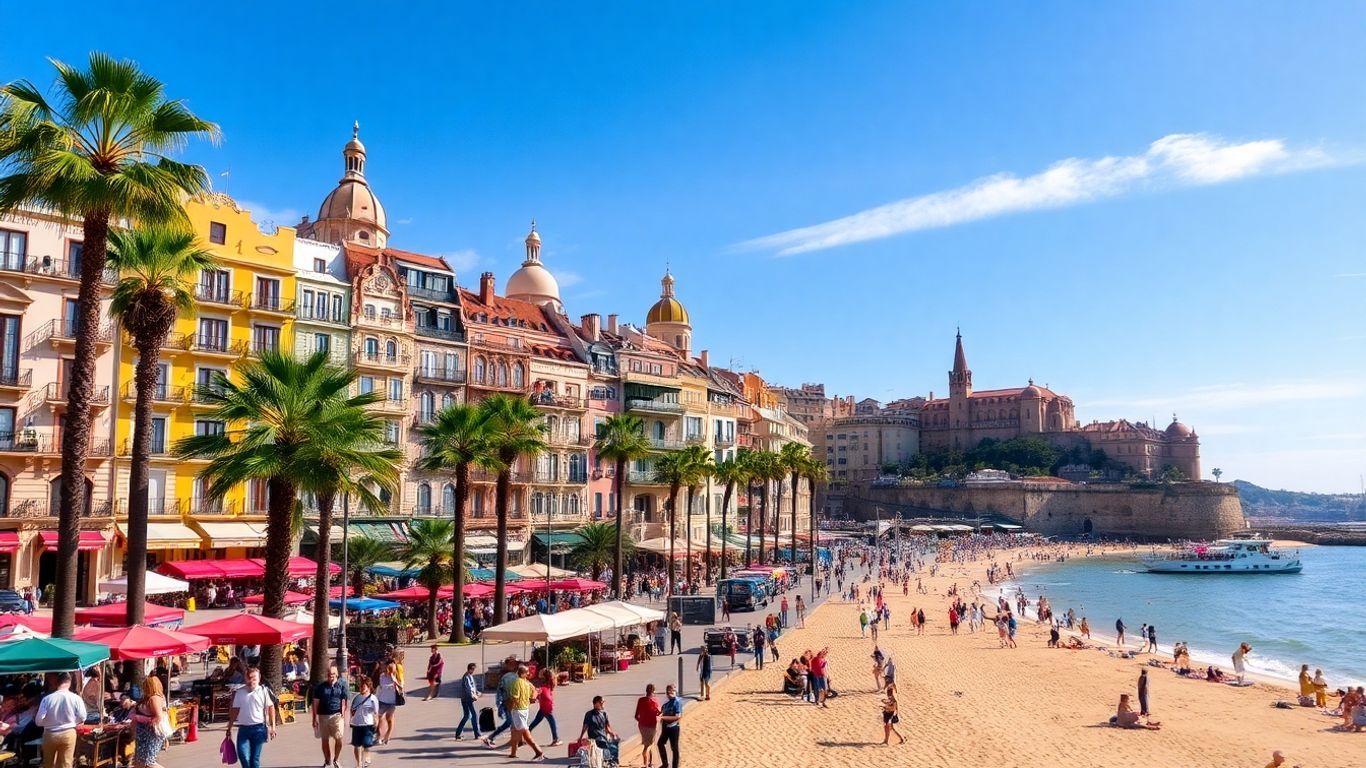
Even if you wouldn’t typically consider yourself a beach enthusiast, Barcelona’s seaside possesses an undeniable allure that’s remarkably hard to resist. The most celebrated stretch is Barceloneta Beach, nestled right at the city’s edge—it’s an easy walk from the Gothic Quarter and truly buzzes with activity day and night when the weather permits. You’ll find lively volleyball courts, laid-back beach bars (affectionately known as "chiringuitos"), and joggers making the most of the sunrise. Families and groups of friends often linger into the early evening, enjoying the gentle sea breeze and watching the city skyline begin to shimmer with lights. It’s a quintessential Barcelona experience.
Here’s a brief look at what Barcelona’s city beaches generally offer:
| Beach | Atmosphere | Activities |
|---|---|---|
| Barceloneta | Lively, distinctly urban | Swimming, engaging in people-watching, enjoying tapas |
| Bogatell | Energetic, sport-oriented | Volleyball, roller skating, cycling |
| Nova Icaria | Relaxed, unpretentious | Paddleboarding, family-friendly recreation |
There’s no need to venture outside the city to find the sea in Barcelona—the beach culture is seamlessly integrated into everyday life. Locals transition from office to ocean in mere minutes, and it’s a common sight to see friends gathering to share an evening picnic right by the water’s edge.
Madrid’s Pulsating Heart: Art, History, and Nightlife
Masterpieces in the Prado and Reina Sofía Museums
Stepping into the Prado Museum in Madrid, one is immediately enveloped by a profound sense of history and creativity, spanning centuries of artistic endeavor. Madrid’s art scene isn’t merely extensive; it feels like a vibrant, unfolding narrative, eloquently told through galleries and museums strategically placed at the city's very core. The Prado proudly houses iconic works by Velázquez, Goya, and El Greco—masterpieces that vividly trace Spain’s evolving artistic landscape. Inside the Reina Sofía Museum, the atmosphere shifts dramatically. Here, bold, modern creations like Picasso’s “Guernica” command attention, serving as powerful reflections on Spain's recent past. And let’s not forget the Thyssen-Bornemisza, which beautifully bridges classic and modern styles, offering a truly comprehensive art journey.
- The Prado: Home to unparalleled collections of Spanish painting, alongside significant Renaissance and Baroque art.
- Reina Sofía: Dedicated to modern art, featuring seminal works by Picasso and Dalí.
- Thyssen-Bornemisza: Showcases a broad spectrum of European art, spanning from the 13th to the 20th century.
Madrid’s grand museums do far more than simply exhibit artwork—they profoundly influence the city's very mood, where history and creativity continually intertwine, from dawn till deep into the night.
Historic Plazas and the Royal Palace
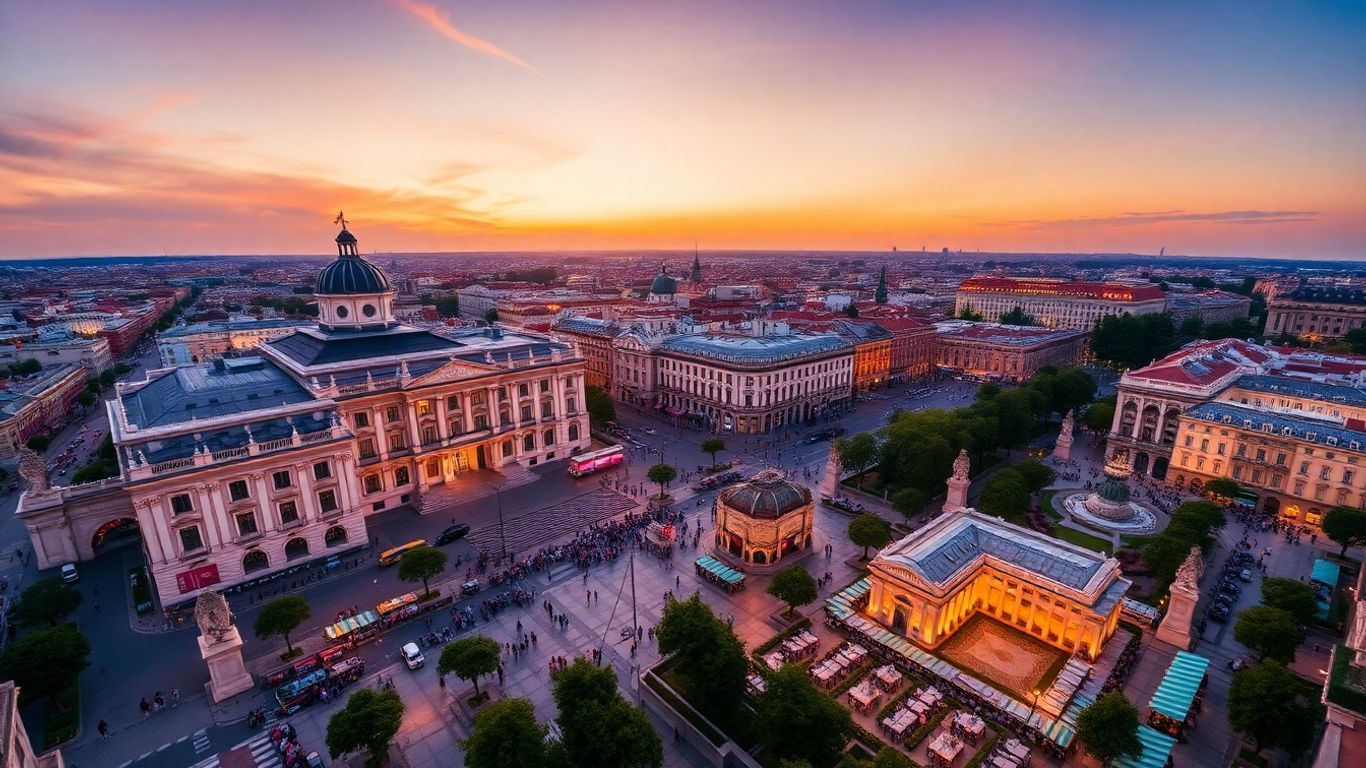
Madrid’s plazas serve as captivating snapshots of the city’s myriad stories, effortlessly blending the vibrant rhythm of the present with evocative echoes of the past. As you wander into Plaza Mayor, its arcades bustling with street performers and a lively hum of conversations from around the globe, you can almost hear tales from Madrid’s old merchant days whispered by its baroque facades. Just a few streets away, the Royal Palace stands in serene grandeur—a magnificent edifice boasting nearly 3,500 rooms. A tour of the palace reveals lavish halls adorned with intricate frescoes, gleaming gold, and impressive armor, serving as a powerful testament to Spain’s enduring royal traditions. Nearby, Plaza de Oriente offers a tranquil escape, a favored spot for locals seeking a moment of peace from the city's lively pace.
Prominent Sites in Madrid’s City Center:
| Landmark | What to See |
|---|---|
| Plaza Mayor | Historic arcades, vibrant markets, inviting eateries |
| Royal Palace | The opulent Throne Room, exquisite gardens |
| Plaza de Oriente | The Royal Theater, beautifully maintained open gardens |
Iconic Tapas Culture and Lively Evenings
As dusk descends, Madrid’s energy undergoes a remarkable transformation—crowds pour into tapas bars, and the city seems to awaken with even greater vigor than during the day. Tapas hopping, or "tapeo," is a cherished pastime, with each bar offering delectable small plates of jamón, tortilla, or spicy patatas bravas. The popular neighborhoods of La Latina and Malasaña quickly fill with people in search of the perfect bite or an ideal spot for a refreshing drink. After midnight, the revelry continues, with live music drifting from jazz clubs or bands playing in tucked-away venues. Indeed, the city never truly sleeps.
If you're new to Madrid's vibrant nightlife, a few insights might prove helpful:
- Most bars truly come alive after 9 p.m.—late dinners are very much the norm here.
- Many locals prefer to move from place to place, rarely settling in one spot for an entire evening.
- Essential dishes to savor include: croquetas, pimientos de padrón, and pulpo a la gallega.
Madrid after dark truly never slows down; whether you’re seeking music, exceptional food, or simply a bustling corner for some engaging people-watching, you’re sure to discover a place that perfectly matches your mood.
Seville’s Traditions: Flamenco, Festivals, and Moorish Splendor
Seville truly shines in southern Spain, celebrated for its rich traditions that masterfully blend passionate art, centuries-old architecture, and an infectious festive spirit that seems to pulse throughout the entire year. Whether you find yourself meandering its charming, winding streets or simply soaking up the vibrant evening atmosphere, the city perpetually feels alive with a kaleidoscope of color and rhythm.
Flamenco Performances and Dance Heritage
One simply cannot discuss Seville without immediately bringing flamenco into the conversation. This passionate, foot-stomping dance and its soulful music are utterly ubiquitous here. Seville’s famed tablaos—intimate flamenco venues—ignite nightly with powerful singers, skilled guitarists, and mesmerizing dancers, each pouring profound emotion into every note and movement. For a truly up-close and personal experience, venues such as Casa de la Memoria offer performances that feel almost private, while larger establishments like El Patio Sevillano stage more expansive, high-energy shows. Which experience calls to you?
Three distinct ways to immerse yourself in flamenco in Seville:
- Visit an intimate tablao nestled within the historic Santa Cruz district for a truly authentic feel.
- Dare to take a beginner flamenco dance class (you might stumble, but that’s certainly part of the fun and learning!).
- Seek out compelling street performers near the Catedral de Sevilla as the sun begins its graceful descent.
Flamenco in Seville is far more than mere entertainment; it represents a profound artistic tradition, drawing upon both deep pain and exuberant celebration, thus beautifully echoing the city’s remarkably unique spirit.
The Alcázar and Moorish Architectural Wonders
The Alcázar of Seville is, quite simply, breathtaking—a complex tapestry of palaces, each seemingly more intricately detailed than the last. Built initially by Moorish kings and then lovingly enhanced by subsequent rulers, it presents a remarkable fusion of tiled courtyards, luxuriant gardens, and sunlight gently filtering through exquisite arches. You might expect to feel a little lost as you wander through its maze-like halls, but that, perhaps, is all part of its undeniable charm. It’s a place where history whispers from every corner.
Key features that define Seville’s exceptional Moorish architecture:
- Iconic horseshoe-shaped arches and incredibly detailed decorative tilework (azulejos).
- Ornate gardens, often featuring serene fountains and fragrant orange trees.
- Secluded courtyards, thoughtfully designed to offer cool shade and peaceful tranquility.
A concise table highlighting Seville’s most renowned Moorish-style sites:
| Site | Notable For |
|---|---|
| Royal Alcázar | Its lavish tilework and stunning gardens. |
| Giralda Tower | A former minaret, now offering incredible city views. |
| Torre del Oro | A distinctive riverside tower, now housing a maritime museum. |
Celebrating Feria de Abril and Semana Santa
Seville truly buzzes with activity during its festival season. The Feria de Abril is, for many, an absolute personal highlight—within a mere few days, entire neighborhoods transform with temporary, color-striped tents, horse-drawn carriages gracefully parade down the avenues, and everyone dons traditional attire. Eating, dancing, and socializing joyfully extend late into the night.
Semana Santa (Holy Week), on the other hand, presents a more somber and deeply moving experience, with solemn processions featuring immense, ornate floats carried through the city streets to the evocative sound of marching bands and heartfelt, sorrowful singing. It’s a spectacle one never truly forgets—the streets thronged with both locals and visitors, all observing in quiet reverence, even if only for a poignant moment.
Three compelling reasons why these festivals are so immensely significant:
- Local families and visitors blend seamlessly, sharing delicious food and captivating stories.
- They brilliantly showcase Seville’s exquisite traditional costumes and vibrant music.
- The city’s profound history and deep religious roots become incredibly tangible and visible.
If you're planning a visit, be sure to book well in advance for these festival dates—the energy is simply unbeatable, and you just might find yourself falling completely in love with the city’s unique way of celebrating life, loss, and indeed, everything in between.
Valencia’s Harmony of Cuisine and Coastal Living
Valencia truly embodies a harmonious blend of exceptional food and relaxed coastal living, offering a distinctive lifestyle that appeals equally to city dwellers and those simply seeking tranquil relaxation. It’s the very city where you can savor Spain’s most celebrated rice dish, explore strikingly futuristic architectural marvels, or merely spend your afternoons unwinding by the beautiful Mediterranean Sea. What a combination!
Savoring Authentic Paella and Market Adventures
Valencia holds universal acclaim as the true birthplace of traditional paella. The authentic recipe typically features locally grown rice, tender chicken, rabbit, and crisp green beans, meticulously cooked over an open flame to impart that signature smoky flavor. While seafood renditions are certainly popular, many locals staunchly maintain that the original is the purest form. When in Valencia, do as the Valencians do!
For the freshest possible ingredients, a visit to Mercado Central is an absolute must. It stands as one of Europe’s oldest continuously operating food markets. Here’s a glimpse of what you might discover on a typical visit:
- Vibrant rows of colorful produce, sourced directly from nearby farms.
- An impressive array of fresh seafood, brought in daily from the Mediterranean.
- A tempting selection of cheeses and cured meats, many unique to the region.
Wandering through the market is much more than a simple shopping trip—it’s a truly immersive sensory experience. The captivating sounds, enticing aromas, and lively chatter draw you in completely, transforming a routine errand into one of the most memorable moments of your day.
Modern Landmarks and the City of Arts and Sciences
While Valencia’s old town bursts with history, there’s an undeniable allure to its modern side. The City of Arts and Sciences stands as a truly striking architectural achievement—its pristine white curves and shimmering glass towers elegantly reflect the sun and surrounding waters. This impressive complex houses a fascinating science museum, an expansive aquarium, and even a magnificent opera house. It’s a visual spectacle from every angle.
For a quick overview, here’s what you’ll find within this futuristic enclave:
| Landmark | Main Feature |
|---|---|
| Hemisfèric | An engaging digital 3D cinema. |
| Museu de les Ciències Príncipe Felipe | Features interactive, hands-on science exhibits. |
| L’Oceanogràfic | Europe’s largest and most impressive aquarium. |
| Palau de les Arts Reina Sofía | A stunning space dedicated to opera and various performance arts. |
Families, devoted science enthusiasts, and architecture aficionados alike will all find something profoundly impressive here. It feels distinctly futuristic, yet remains remarkably welcoming, and is conveniently just a stone’s throw from the historic old city.
Sun, Sand, and Recreation Along Mediterranean Beaches
In Valencia, you’ll never have to choose between dynamic city life and serene beach relaxation—they exist harmoniously, side by side. The city’s beaches, notably La Malvarrosa and Las Arenas, stretch out long and wide, punctuated by inviting eateries and expansive sidewalks perfect for biking or roller skating. Locals flock to the sand for spirited volleyball games, paddleboarding adventures, or simply tranquil evening strolls. For those seeking quieter moments, consider visiting on a weekday or exploring the charming, smaller coves located just north or south of the city. Does that sound like a perfect day out?
Here are a few straightforward tips for thoroughly enjoying Valencia’s stunning coastline:
- Early mornings and late afternoons are ideal for escaping the midday heat and enjoying the cooler temperatures.
- Be sure to try the beachside chiringuitos (snack bars) for refreshing horchata or incredibly fresh seafood.
- The Turia Gardens—a magnificent old riverbed transformed into a sprawling park—offers wonderfully shady routes to reach the beach by foot or bicycle.
Life in Valencia often feels akin to a perpetual vacation, as the inviting sea is always just a brief tram ride away, ensuring that each day is a little brighter and considerably more relaxed.
Bilbao and the Basque Spirit: Culinary Innovation and Art
Bilbao distinguishes itself with a bold fusion of strikingly modern architecture and cherished Basque culture. The iconic curves of the Guggenheim Museum immediately command attention as you stroll along the Nervión River. Designed by the visionary Frank Gehry, this gleaming titanium landmark isn’t solely for art enthusiasts—it has become a potent symbol of the city's remarkable revitalization. Inside, you’ll discover an array of rotating exhibitions showcasing international contemporary art, but even merely circling the building reveals how sculpture, innovative design, and urban streetscapes seamlessly intertwine here. It’s a truly captivating experience.
- The museum draws visitors year-round, offering both permanent and compelling temporary exhibits.
- Magnificent outdoor sculptures, such as the whimsical Puppy and the imposing Mamá spider, greet you before you even step inside.
- Locals are always eager to share insights on lesser-known galleries or newly unveiled urban murals in the vicinity.
The vibrant energy of Bilbao’s art scene isn’t confined to museum walls—it powerfully spills out into the city itself, beautifully blending dynamic street art with deep-rooted tradition.
For additional ideas on discovering hidden galleries and vibrant city corners, Bilbao’s vibrant culture and striking architecture provides some truly handy pointers.
Pintxos Trails and Basque Gastronomy
One simply cannot speak of Bilbao without immediately feeling a pang of hunger. Pintxos represent the Basque Country’s ingenious answer to Spanish tapas, yet they boast an elevated level of creativity and a profound sense of regional pride. These tiny toasts are artfully piled high with intensely flavorful toppings, ranging from delicate anchovies and briny olives to creamy seafood mixtures and local peppers. Venture into any buzzing bar in the old quarter (Casco Viejo), and you’ll find the counter overflowing with these delectable, bite-sized snacks. It’s a culinary adventure waiting to happen!
Here’s a glimpse of what you might encounter on a quintessential pintxos crawl:
| Pintxo Name | Key Ingredients | Typical Bar Neighborhood |
|---|---|---|
| Gilda | Olives, a perfect anchovy, and a pickled pepper | Plaza Nueva |
| Txangurro | Tender spider crab, served on bread with a touch of aioli | Indautxu |
| Bacalao | Flaky salt cod, often paired with sweet red pepper | Casco Viejo |
- Locals typically order a refreshing drink—perhaps a crisp txakoli wine or local cider—to accompany each pintxo.
- The finest pintxos bars are invariably packed, but that lively atmosphere is very much part of the fun!
- Be adventurous and try something unfamiliar; regional seafood and wild mushrooms are especially prized.
Cultural Identity and the Ribera Market
Ribera Market (Mercado de la Ribera) is where the true heart of Bilbao’s everyday life beats with the most fervor. As Europe’s largest covered market, it presents a fascinating blend of the old and the new. Here, you’ll find traditional butchers standing alongside contemporary sushi stalls, artisanal cheese counters next to modern Basque fusion bars, and acclaimed chefs meticulously selecting ingredients for tonight’s menu, just yards away from local residents picking up their daily groceries. It’s a vibrant microcosm of the city.
If you're curious about what genuinely shapes Basque culinary traditions, this is undeniably the perfect starting point:
- Meander through the fresh produce aisles in the morning—you’ll discover everything from rare wild mushrooms to glistening fish, caught fresh and brought directly from the boat.
- Indulge in sampling an array of cheeses and expertly thinly sliced meats that are unique to the distinctive Basque region.
- Take a moment to pause for a coffee and simply people-watch; market life is wonderfully chaotic yet friendly, particularly on bustling weekends.
The remarkable juxtaposition of artisanal food stalls and vendors whose businesses span generations offers visitors a genuine insight into Bilbao’s strong local identity. Eating and shopping here provides an honest, deeply satisfying way to truly experience another facet of the resilient Basque spirit.
Hidden Gems: Lesser-Known Cities in Spain Worth Discovering
When Spain comes to mind for most travelers, iconic cities like Barcelona or Madrid often spring up first, thanks to their famous sights and vibrant urban centers (popular destinations). However, beyond these well-trodden paths, Spain is dotted with unique towns and smaller cities that have meticulously preserved their traditions, distinctive character, and authentic local energy. These less-visited destinations offer serene landscapes, truly one-of-a-kind cultural moments, and some absolutely delicious food. Why not explore a different side of the country?
Charming White Villages Like Ubrique in Andalusia
Ubrique stands as a quintessential example of Andalusia's celebrated "white villages," known locally as pueblos blancos. Nestled gracefully among verdant hills and dramatic limestone cliffs, Ubrique particularly distinguishes itself for its exquisite hand-crafted leather goods, which have attracted international designers for decades. Strolling through its narrow, winding streets, you'll observe clusters of pristine whitewashed homes perched precariously on steep hillsides, their red-tile roofs gleaming under the southern sun. Though the town maintains a tranquil pace, there's always something engaging happening: from bustling local markets to lively tapas bars serving hearty stews and delectable fresh cheeses.
- Distinctive features that define Ubrique:
- Its renowned and highly sought-after leather craftsmanship.
- Picturesque hiking trails winding through the stunning Sierra de Grazalema.
- Traditional fiestas, bursting with music, dance, and vibrant parades.
Despite being less globally recognized, places like Ubrique offer a perfect escape for discerning travelers seeking profound authenticity, rich local flavors, and exhilarating outdoor adventures—all with the added bonus of significantly fewer crowds.
Cuenca’s Hanging Houses and Medieval Streets
Cuenca is dramatically situated between two spectacular river gorges in central Spain. What truly sets it apart are its famed "casas colgadas," or hanging houses, which appear to defy gravity as they cling to the cliff edges, with balconies that make you feel as though you're suspended directly above the valley itself. This city boasts an ancient quarter replete with charming cobbled lanes, atmospheric medieval arches, and a striking Gothic cathedral. Beyond its deeply historic core, there's also a vibrant contemporary art scene, and traditional local cuisine includes morteruelo (a rich, hearty local pâté) and ajoarriero (a delectable codfish preparation with garlic and potatoes). Does that pique your interest?
Quick tips for making the most of your exploration of Cuenca:
- Begin your journey at Plaza Mayor and allow yourself to get delightfully lost among the cobbled alleyways.
- Cross the iconic St. Paul Bridge for absolutely jaw-dropping panoramic views.
- Don't miss the Museum of Spanish Abstract Art, which offers an intriguing blend of old-world charm and modern creativity.
Coastal Retreats and Rural Escapes in Galicia
In Spain’s northwest lies Galicia, a region characterized by rolling green hills, rugged wild beaches, and charming tiny seaside villages. This area possesses a distinctly different feel from the rest of Spain, partly owing to its deep Celtic heritage and partly to the ever-present, often-changing Atlantic weather. Spots like Combarro and Ribadeo entice with their peaceful harbors, ancient stone homes, and some of the finest seafood in the entire country—think succulent octopus, delectable barnacles, and an array of incredibly fresh-caught shellfish. Inland, smaller villages such as Allariz or O Cebreiro are tucked away amidst ancient chestnut forests and undulating pastures. What a tranquil escape!
- Noteworthy experiences awaiting you in rural Galicia:
- Walking inspiring sections of the Camino de Santiago.
- Sampling the exquisite pulpo a la gallega (Galician-style octopus).
- Exploring ancient stone granaries and intriguing Celtic ruins.
| City/Town | Region | Notable For | Unique Experience |
|---|---|---|---|
| Ubrique | Andalusia | A quintessential white village, renowned for leather craftsmanship | Hiking through the breathtaking Sierra de Grazalema |
| Cuenca | Castilla-La Mancha | Iconic hanging houses, preserved medieval center | Panoramic views from the St. Paul Bridge |
| Combarro | Galicia | Stunning coastal scenery, exceptional seafood | Strolling leisurely through its granite port |
While Spain’s major cities will forever draw large crowds, sometimes the most enduring memories of a trip are forged in the quiet moments found in a little-known town, during a reflective coastal walk, or sharing a simple meal with locals in a hidden plaza. Spain’s hidden gems truly allow you to discover an entirely different facet of the country—one where time seems to slow its pace, and each passing day brings forth small, yet profoundly satisfying, discoveries.
Diverse Tastes of Spanish Cuisine Across the Regions
Spanish gastronomy is a veritable adventure for the palate, with every corner of the country boasting its own unique flavors, time-honored traditions, and cherished local ingredients. Indeed, what tantalizes your taste buds in Barcelona might be an entirely different culinary story from what ultimately lands on your plate in Seville or Bilbao. Here’s precisely what makes Spanish cuisine such a rich tapestry of delightful surprises, and why so many people return home utterly craving more.
Tapas Variations From Andalusia to Catalonia
Tapas are undeniably more than just mere snacks in Spain—they represent a profound way of life. Yet, as you venture into different regions, you'll quickly discern that their style and flavor profiles can shift quite dramatically. Isn’t that fascinating?
- In sun-drenched Andalusia, you’re likely to discover refreshing chilled gazpacho or perfectly crispy fried fish (pescaíto frito) served on lively, sun-drenched patios.
- Head north to Catalonia for rustic, yet utterly delicious, pan con tomate (toasted bread lovingly rubbed with tomato) and satisfying bombas (irresistible meat-and-potato croquettes).
- And in the innovative Basque Country, pintxos—creative, bite-sized combinations elegantly skewered with toothpicks—overflow the counters of bustling bars, each a small work of art.
Discovering the sheer variety of tapas, even within the confines of a single city, consistently keeps evenings engaging and conversations around the table vibrant and full of zest.
For a deeper dive into the fascinating history and profound cultural meaning behind these beloved foods, do explore this insightful evolution of Spanish foods.
Regional Dishes and Seasonal Ingredients
It’s not only tapas that vary significantly from city to city. Main courses, comforting soups, and delightful desserts all faithfully reflect local tastes and showcase whatever ingredients are grown most abundantly nearby. This focus on seasonality truly enhances the dining experience.
- Valencia, naturally, is renowned for its classic paella, typically prepared with local rice, tender rabbit, fresh beans, and occasionally, succulent seafood.
- In Galicia, hearty stews like caldo gallego are generously laden with vibrant greens and savory chorizo—absolutely perfect for cool, rainy days.
- The Basque region takes immense pride in its bacalao (salt cod) and incredibly innovative seafood dishes, a testament to its coastal heritage.
- La Rioja and Castilla y León gravitate towards succulent roasts and richly cured meats, a direct reflection of their sprawling farmland and colder winters.
Here’s a useful table highlighting a few quintessential classics and their respective regions:
| Region | Signature Dish | Key Ingredient |
|---|---|---|
| Valencia | Paella Valenciana | Short-grain rice |
| Andalusia | Salmorejo | Tomatoes |
| Basque Country | Bacalao a la Vizcaína | Salt cod |
| Castilla y León | Cochinillo Asado | Suckling pig |
| Catalonia | Escudella i Carn d’Olla | Sausage/meats |
Churros, Chocolate, and Everyday Treats
Dessert (or indeed, breakfast!) is a truly serious affair in Spain, and you’ll often spot locals happily queuing for churros at virtually any hour. It’s a beloved ritual!
- Madrid is unequivocally *the* place for churros, ideally dunked into gloriously thick hot chocolate.
- In Malaga, you’ll encounter delightful local pastries such as tortas de aceite (delicate olive oil flatbreads), often served alongside morning coffee.
- Northern Spain tends to favor creamy custards, rich cheesecakes, or the now-famous Basque burnt cheesecake.
Even if you choose to stick with simple sweets, every region infuses its own distinct spin on classic flavors, ensuring that every single snack is absolutely worth trying.
Spanish cuisine is a constantly evolving landscape—time-honored favorites meet exciting modern twists, and even seasoned locals continue to discover new gastronomic delights. Sampling your way across Spain guarantees there’s always something fresh and intriguing on the table.
Conclusion
Spain is, without a doubt, a country that genuinely offers something for every traveler. Whether you find yourself meandering through the lively, sun-drenched streets of Barcelona, savoring exquisite pintxos in bustling Bilbao, or simply unwinding on a tranquil beach in the Balearic Islands, there’s an endless stream of new discoveries awaiting you. The beautiful tapestry of cultures, languages, and deeply rooted traditions ensures that every city feels remarkably distinct, and the food alone—oh, the food!—is undeniably worth the entire trip. Even after you’ve explored the major metropolitan centers, you’ll quickly discover that the smaller towns and hidden corners possess their own unique charm and delightful surprises. So, if you’re planning an adventure, don’t hesitate to venture off the well-trodden path—you might just uncover your new favorite spot. Spain’s infectious energy, profound history, and unforgettable flavors will undoubtedly linger with you long after you’ve departed. Happy travels!
Frequently Asked Questions
What are the best cities to visit in Spain for culture and food?
For a rich blend of culture and exceptional cuisine in Spain, consider visiting Barcelona, Madrid, Seville, Valencia, and Bilbao. Each city offers its own distinctive style, fascinating history, and a unique array of special dishes that are a must-try.
Where can I see famous Spanish art and architecture?
You can immerse yourself in renowned art and architectural masterpieces in cities like Barcelona, celebrated for Gaudí’s colorful and imaginative buildings, and Madrid, home to world-class museums such as the Prado and Reina Sofía. Seville and Granada also boast stunning historic palaces and magnificent churches that are truly captivating.
What are some hidden gems in Spain that most tourists miss?
Some truly charming, lesser-known destinations include Ubrique, a picturesque white village nestled in Andalusia; the unique 'hanging houses' of Cuenca; and the serene beaches or verdant countryside found in Galicia. These spots reveal a wonderfully different side of Spain, far from the typical tourist crowds.
What foods should I try when visiting Spain?
When in Spain, you absolutely must try paella in Valencia, the diverse range of tapas in Seville, inventive pintxos in Bilbao, and classic churros with rich hot chocolate in Madrid. Every region offers its own special culinary delights, so be sure to ask locals for their personal recommendations!
Which Spanish cities are known for their lively nightlife?
Madrid and Barcelona are famously vibrant for their nightlife, offering an abundance of bars, diverse music venues, and bustling clubs. Seville and Malaga also provide fantastic options for an enjoyable evening out, and, of course, Ibiza is globally renowned for its legendary parties.
Are there nice beaches in Spanish cities?
Absolutely! Cities such as Barcelona and Valencia boast beautiful urban beaches where you can readily swim, relax, or engage in various sports. Additionally, if you prefer a more serene setting, numerous smaller beach towns dot the Spanish coastline, offering quieter alternatives.
Share

citiesabc resources
Citiesabc is a digital transformation platform dedicated to empowering, guiding, and indexing cities worldwide. Established by a team of global industry leaders, academics, and experts, it offers innovative solutions, comprehensive lists, rankings, and connections for the world's top cities and their populations


