
resources-malaysia
Navigating the Malaysia Monsoon Season: When to Go and What to Expect
Industry Expert & Contributor
19 Oct 2025

Thinking about a trip to Malaysia? You've probably heard whispers about the monsoon season and are wondering if it's a wise time to visit. Let's be honest, Malaysia is a fantastic destination pretty much all year round. Being a tropical country, a bit of rain is just part of the charm! Most of the time, it’s a quick, heavy downpour that offers a welcome break from the heat. But—and this is the important part—the rain doesn't hit the entire country at the same time. We've laid out what you can expect across Peninsular Malaysia and Borneo, so you can plan your perfect adventure without any soggy surprises.
Key Takeaways
- You'll find that Malaysia's monsoon seasons aren't a one-size-fits-all affair; they impact the east coast, west coast, and Borneo quite differently.
- The east coast monsoon, which typically runs from November to February, brings much heavier rain, sometimes causing island resorts to take a seasonal break.
- Over on the west coast, the rainfall is generally less intense—think short, sharp afternoon showers—making it a more reliable year-round destination.
- Borneo has its own unique rainfall patterns, with the wet season varying between Sabah and Sarawak, but here's the good news: wildlife viewing can be exceptional even then.
- Planning your visit around these regional weather patterns, packing smart, and keeping your itinerary flexible are your best strategies for enjoying Malaysia, rain or shine.
Understanding The Malaysia Monsoon Season
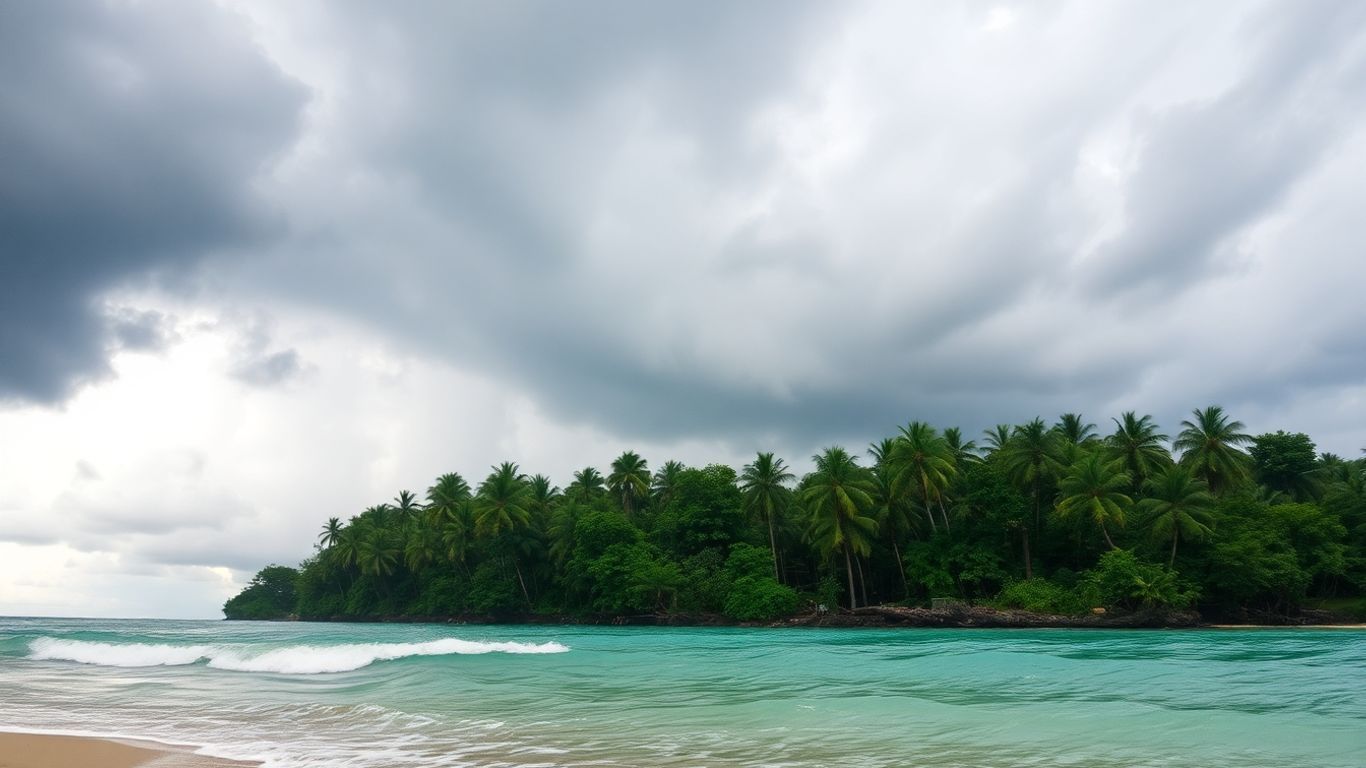
What Constitutes Monsoon Season in Malaysia?
As a quintessentially tropical country, Malaysia's weather is shaped by the monsoon winds. It’s not just about getting more rain; it’s a major seasonal shift in wind direction that brings about significant changes in precipitation. Think of it as the country taking a deep, refreshing breath. These monsoons are a vital part of the climate, influencing everything from daily life for locals to the best times for travellers to explore different parts of the nation.
Regional Variations in Monsoon Patterns
Thanks to Malaysia's unique geography, the monsoon doesn't blanket the entire country at once or with the same force. The nation is broadly split into three main areas, and each dances to its own monsoon rhythm:
- Peninsular Malaysia's East Coast: This region gets its heaviest downpours from around November to February. This is when winds from the South China Sea carry in a whole lot of moisture.
- Peninsular Malaysia's West Coast: Here, the pattern is almost the opposite. While the east coast is getting drenched, the west coast—home to places like Penang and Langkawi—is often enjoying drier weather. Its own rainy season, from April to October, usually brings shorter, more intense bursts of rain.
- Borneo (Sabah and Sarawak): Borneo follows its own beat, with rainfall typically peaking between October and February. Much like the peninsula's east coast, this period can see some significant downpours.
It's worth remembering that these are general guidelines, of course. Mother Nature can always be a little unpredictable from one year to the next.
The Influence of Monsoons on Climate
These seasonal wind shifts have a huge impact. The monsoon rains are precisely what keep Malaysia's rainforests so incredibly lush and vibrant. For visitors, this means that while some beach activities might be off the table during peak monsoon, other experiences become even more rewarding. The air often feels wonderfully fresh after a rain shower, and the landscapes are at their most vivid green. It’s a time when the country’s natural beauty truly shines—even if it means you’ll need an umbrella.
The monsoon season isn't just a rainy spell; it's a fundamental rhythm of Malaysia's tropical climate that sculpts its landscapes and shapes travel plans. Getting to know these patterns is the secret to making the very most of your visit.
Navigating The East Coast Monsoon
Timing Of The East Coast Rains
The East Coast monsoon, which generally makes its presence felt from November to March, is when you'll see the most significant rainfall in this part of Malaysia. Picture it as the region's big annual shower. While you won't necessarily see non-stop rain all day, every day, you should certainly expect heavier downpours and potentially rougher seas during these months. December and January are typically the wettest, so if a trip is on the cards then, just come prepared for a damper experience. The winds usually blow in from the northeast, carrying moisture from the South China Sea.
Impact On Island Resorts And Coastal Towns
This monsoon season definitely makes its mark on the islands and coastal areas along the East Coast, including beloved spots like the Perhentian Islands, Redang, and Tioman. In fact, many resorts and smaller guesthouses close up shop for the season, usually from around November to February or March. It’s not just about the rain; the choppy seas make boat travel unsafe and sometimes impossible, effectively cutting off access. So, if you're dreaming of those picture-perfect turquoise waters and white sandy beaches, you’ll want to plan your visit outside of these months. The coastal towns that remain open might have fewer tourists—which can mean a quieter vibe—but also fewer available services.
Recommended Activities During East Coast Rains
Even with the rain, there are still plenty of ways to enjoy the East Coast. It's a fantastic opportunity to slow down and appreciate the region from a different angle.
- Embrace the Cozy Indoors: Many resorts that stay open boast comfortable common areas. Why not curl up with a good book, challenge someone to a board game, or simply relax to the soothing sound of the rain?
- Cultural Immersion: Take the time to visit local villages (*kampungs*) and learn about the lives of the people who call this coast home. You might find chances to try your hand at local crafts or even join a cooking class.
- Photography: The dramatic, cloudy skies and lush, rain-soaked landscapes can be incredibly photogenic. It's your chance to capture the raw, untamed beauty of the coast during this season.
- Pure Relaxation: Sometimes, the monsoon is the perfect excuse to do absolutely nothing. Enjoy the cooler temperatures and the peaceful atmosphere that descends with the rain.
While the East Coast monsoon brings heavy rain and can put a pause on island-hopping plans, it also offers a unique, quieter perspective on the region. Planning around the peak months of November to February is essential for a beach-focused holiday, but visitors during this time might just discover a more tranquil experience, far from the usual crowds.
Experiencing The West Coast Monsoon
The west coast of Peninsular Malaysia, which includes popular destinations like Penang and Langkawi, moves to its own monsoon rhythm. While the east coast might be drenched, the west coast's rainy season is a different story altogether. It's usually not the week-long, gloomy affair you might be picturing. Think of it more as a series of intense—but often refreshingly brief—downpours.
Characteristics Of West Coast Rainfall
During the monsoon months here, you can expect the weather to be a bit more spontaneous. You'll likely encounter short, sharp showers that can roll in quite suddenly, often in the late afternoon or evening. These can be pretty heavy, but the sun usually makes a grand reappearance not long after. It’s quite common to enjoy a bright, sunny morning followed by a dramatic, rain-filled afternoon. The humidity can also be quite high during this period, making the air feel thick and heavy just before a storm.
Best Months For West Coast Travel
If you're setting your sights on the west coast and hoping to minimise your chances of getting wet, the period between May and September is generally considered the drier season. However, even during these months, you should still come prepared for the occasional storm. The true peak of the monsoon on the west coast, bringing the most consistent rainfall, tends to be around November to March, though this can shift from year to year. So, while May to September offers a better bet for sunny days, a little flexibility is always a good idea.
Activities Unaffected By West Coast Showers
Don't let a bit of rain spoil your plans! The west coast has plenty to offer, come rain or shine.
- Explore George Town's Heritage Sites: Why not get lost in the UNESCO World Heritage site of George Town in Penang? The colonial architecture, vibrant street art, and historic temples are fascinating to explore, and many can be enjoyed even with a light drizzle. When a heavier shower hits, just duck into a charming café or museum.
- Indulge in Culinary Adventures: The west coast is a foodie's paradise. From bustling hawker stalls to chic restaurants, you can spend hours sampling the incredible diversity of Malaysian cuisine. A rainy afternoon is the perfect excuse for a food crawl, hopping from one delicious stop to the next.
- Visit Museums and Galleries: Penang, in particular, has a growing number of fascinating museums and art galleries that provide the perfect indoor escape. You can easily spend a few hours learning about the island's rich history, art, and culture while staying perfectly dry.
The secret to enjoying the west coast during its monsoon season is to embrace the unpredictability. Instead of packing your schedule with outdoor-only activities, build in some flexibility. Have a backup plan for indoor fun, and don't be afraid to take shelter for a while. Often, the rain passes quickly, leaving behind a refreshed and even more vibrant landscape.
Here's a quick glimpse at the typical rainfall patterns:
| Month | Typical Rainfall (approx. mm) | Notes |
|---|---|---|
| May | 150-200 | Start of the season, showers possible |
| June | 130-180 | Generally drier, but storms can occur |
| July | 140-190 | Similar to June |
| August | 160-210 | Can see increased rainfall |
| September | 180-230 | End of the drier period, more rain likely |
| October | 250-300 | Transition to heavier monsoon |
| November | 300-350 | Heavy rainfall, potential for flooding |
| December | 350-400 | Often the wettest month |
| January | 300-350 | Continued heavy rainfall |
| February | 250-300 | Rainfall starts to decrease |
| March | 200-250 | Monsoon easing on the west coast |
Borneo's Monsoon Climate
Borneo, which is home to Sabah and Sarawak, marches to the beat of its own drum when it comes to rain. While the peninsula deals with its distinct east-west monsoon patterns, Borneo generally experiences its wettest period from October to February. But don't picture non-stop rain! More often than not, the showers here are short but powerful. You might get a good soaking for an hour, and then, just as quickly, the sun is back out. It's a tropical climate, after all—always full of surprises!
Rainfall Patterns In Sabah And Sarawak
The weather in Sabah and Sarawak can be a little unpredictable, but there are some general trends you can count on. The period from October through February is typically the wettest season. While December and January often see the heaviest rain, February can still bring its fair share. It's also worth noting that the northwestern parts of Borneo can sometimes feel the effects of typhoons that form over in the Philippines. This can mean stronger winds and more significant rainfall when those weather systems pass nearby.
Here’s a quick idea of what to expect:
- October - February: This is the core monsoon period for Borneo, with a higher likelihood of rain.
- Showers: Usually brief but can be quite intense.
- Typhoon Influence: Occasionally, you might experience strong winds and rain from storms that originate in the Philippines, particularly affecting the northwest coast.
Don't let the word "monsoon" put you off completely. Many travellers find that even during these months, they enjoy plenty of sunshine between the rain showers, making it more than possible to soak in Borneo's incredible natural beauty.
Wildlife Viewing During Borneo's Wet Season
Thinking about spotting some wildlife? The wet season in Borneo can actually be a fantastic time to see certain animals. With more water around, the rivers swell, and this can draw wildlife closer to the riverbanks. The Kinabatangan River, for example, is famous for its incredible primate population, and the wetter conditions can make spotting them even easier as they come down to the water's edge to drink or forage.
- Increased River Levels: Rivers like the Kinabatangan become fuller, which can bring animals like proboscis monkeys and pygmy elephants closer to you on a river cruise.
- Lush Vegetation: The rain keeps the rainforest vibrant and green, providing a rich buffet for many species.
- Specific Animal Sightings: Believe it or not, some creatures are more active or visible during these wetter periods.
Navigating Borneo's Rainforests In The Monsoon
Exploring Borneo's magnificent rainforests during the monsoon season just requires a little extra preparation. The main thing is to be ready for wet conditions and to embrace the unique, atmospheric mood the rain creates. Trails can get muddy and slippery, so a pair of sturdy, waterproof shoes is an absolute must. Many jungle treks and activities still go ahead, but you might need to adjust your schedule slightly depending on the day's weather.
- Footwear: Waterproof hiking boots with excellent grip are highly recommended.
- Clothing: Lightweight, quick-drying clothes are your best friend. Be sure to pack a good rain jacket and perhaps even a pair of waterproof trousers.
- Flexibility: Be prepared for potential last-minute changes to tour times or routes due to heavy rain or changing river conditions.
When To Visit Malaysia For Ideal Weather

Optimal Travel Times For Peninsular Malaysia
Pinpointing the absolute best time to visit Peninsular Malaysia really depends on which coast you have in mind. If you’re dreaming of sun-drenched beaches on the west coast—think Langkawi or Penang—you should aim for the period between December and February. This is generally the driest and sunniest stretch, with temperatures hovering around a very pleasant 30°C. It’s that perfect sweet spot before the really hot months arrive.
Now, for the east coast, with stunning islands like the Perhentians or Redang, you'll want to avoid November through February. That’s when the monsoon brings heavy rains and rough seas, often causing resorts to close for the season. The ideal window here is from March to October, with April to September being particularly fantastic for calm, clear waters and plenty of sunshine.
Ideal Periods For Exploring Borneo
Borneo, covering both Sabah and Sarawak, has a slightly different weather calendar. As a rule of thumb, the period from March to October is considered the best time to visit. During these months, you'll generally find less rain and more sunshine, which is perfect for exploring the ancient rainforests and spotting wildlife. It’s important to remember, though, that even during the "drier" months, Borneo still gets its fair share of tropical showers—they just tend to be shorter and less frequent during this March-to-October window.
Balancing Weather And Crowds
While chasing that "perfect" weather is tempting, those ideal windows often coincide with peak tourist seasons. Looking to avoid the biggest crowds and maybe score some better deals? Consider travelling during the shoulder seasons, just outside these prime times. For instance, visiting the west coast in late March or early November could offer a wonderful balance; you might encounter a few more showers, but you'll likely have more space to yourself.
Here's a quick summary to help you plan:
- West Coast Peninsular Malaysia: December - February is the peak dry season. Shoulder months like March and November can be great compromises.
- East Coast Peninsular Malaysia: March - October is the dry season. Best to avoid November - February.
- Borneo (Sabah & Sarawak): March - October is generally drier. Just expect some rain year-round, as it's less intense during this period.
Remember, Malaysia is a tropical country, and rain is part of its lifeblood and charm. Even during the monsoon, showers are often brief and can be wonderfully refreshing. The key is simply to be prepared and flexible with your plans. Embrace the occasional downpour—it’s all part of the adventure!
Ultimately, Malaysia is a brilliant destination no matter the season. The trick is to know what to expect for the specific region you're visiting and to pack accordingly. With a little bit of planning, you're sure to have an amazing trip whenever you decide to go.
Making The Most Of Your Monsoon Trip
Essential Packing For Rainy Weather
So, you've decided to visit Malaysia during the monsoon? Excellent choice! While the skies might open up from time to time, it certainly doesn't mean your adventure has to grind to a halt. The secret is simply being prepared. First off, you can probably leave that flimsy hotel umbrella behind; a sturdy, wind-resistant one is a much better companion. You’ll also want a good-quality waterproof jacket—something breathable, so you don't feel like you're in a sauna in the humidity. And what about your feet? They'll thank you for a pair of waterproof shoes or some quick-drying sandals. Forget heavy jeans; lightweight, quick-dry trousers or shorts are the only way to go. Oh, and a small, fast-drying towel can be an absolute lifesaver.
Here’s a quick checklist to get you started:
- A breathable waterproof jacket
- A sturdy umbrella
- Waterproof shoes or quick-drying sandals
- Quick-dry clothing (trousers, shorts, shirts)
- Insect repellent (the humidity can bring out the mozzies!)
- A small, fast-drying towel
- A waterproof bag or cover for your electronics
Embracing Indoor Attractions And Culinary Delights
When the rain really starts to pour, don't fret! Malaysia is packed with fantastic indoor options. Think fascinating museums, contemporary art galleries, and sprawling shopping malls that are often architectural marvels in their own right. And let's not forget the food. The monsoon season is a brilliant time to dive headfirst into Malaysia's incredible culinary scene. You can cozy up in a local *kopitiam* and slurp down a hearty bowl of laksa, or explore the world of street food—many vendors keep serving up their delicious creations under makeshift shelters. It's a chance to truly savour the local flavours, often without the bustling crowds. You might even find the rain creates a more intimate and cozy atmosphere for enjoying a meal.
The monsoon doesn't have to put a damper on your trip. In fact, it can offer a unique perspective, revealing a completely different side of Malaysia's charm. Embrace a slightly slower pace, seek out those hidden indoor gems, and let your taste buds guide you through the local cuisine. It’s all about adapting and finding joy in those unexpected moments.
Staying Informed And Flexible With Travel Plans
This is probably the single most important piece of advice: stay flexible. Weather forecasts in Malaysia, especially during the monsoon, can change in the blink of an eye. Keep an eye on local weather apps or news updates. If a planned outdoor activity gets rained out, have a Plan B. Maybe it's exploring a local market, visiting a temple, or simply grabbing a coffee at a café and watching the world go by. Being adaptable ensures you can still have an amazing time, rain or shine. It's also a good idea to check out some budget travel tips for Malaysia to see how you can make the most of your trip, no matter what the weather has in store. Sometimes, the best adventures are the ones you didn't plan for, and being open to spontaneous changes is all part of the fun.
So, When Should You Visit Malaysia?
Alright, so planning a trip to Malaysia around the monsoon might seem a little daunting, but honestly, it's not as dramatic as it sounds. The west coast typically gets shorter, heavier showers in the afternoons, which can actually feel quite refreshing. Islands like Langkawi and Penang are generally great, with plenty of sunshine to go around. The east coast, on the other hand—that's where the monsoon hits with real force between November and February, leading many resorts to close down. If you're dreaming of the Perhentians or Tioman, it's best to avoid those months. For the west coast, December to February is a fantastic bet, but really, you can find good weather almost any time of year if you're flexible. Just pack a light rain jacket, keep an eye on the forecast, and you’ll be all set. Malaysia always has something special to offer, no matter the weather!
Frequently Asked Questions
When is the best time to visit Malaysia to avoid the rain?
Since Malaysia has different rainy seasons on its east and west coasts, plus Borneo, it depends on where you're going! Generally, the west coast (home to Langkawi and Penang) is best from December to February. For the east coast (like Redang and the Perhentians), aim for March to October. And for Borneo, the driest period is usually June to September.
What should I pack for a trip during the monsoon season?
It’s a good idea to pack light, quick-drying clothes, a reliable waterproof jacket or poncho, and a small umbrella. Waterproof shoes or sandals are also a fantastic idea. And don't forget insect repellent—mosquitoes can be more active when it's damp.
Will the rain stop me from doing outdoor activities?
Not necessarily! While some plans might get delayed by a heavy downpour, many activities are still perfectly enjoyable. The rain often comes in short, intense bursts and passes quickly. It's always wise to have a few indoor backup plans, but don't let the chance of rain stop you from exploring.
Are island resorts on the east coast open during the monsoon?
Many resorts on the east coast, particularly on islands like Perhentian and Tioman, do close down from November to February. This is mainly because the seas can become quite rough, making ferry travel difficult and sometimes unsafe. It's always best to check directly with specific resorts about their seasonal operating dates.
Is it true that it rains all day during the monsoon?
That’s mostly a myth! While it's called the monsoon season, the rain in Malaysia often arrives in short, heavy bursts, especially in the afternoon. You'll very likely still get plenty of sunshine between the showers, and the rain can be a welcome and refreshing break from the tropical heat.
Can I still enjoy the food and culture during the rainy season?
Absolutely! The monsoon season is a fantastic time to dive into Malaysia's incredible food scene. Cozying up in an indoor eatery or a famous hawker centre (many of which are covered) is a great rainy-day activity. Plus, many cultural sites, museums, and shopping malls offer wonderful indoor experiences, and the rain just makes the lush, green landscapes even more beautiful!
Share

Peyman Khosravani
Industry Expert & Contributor
Peyman Khosravani is a global blockchain and digital transformation expert with a passion for marketing, futuristic ideas, analytics insights, startup businesses, and effective communications. He has extensive experience in blockchain and DeFi projects and is committed to using technology to bring justice and fairness to society and promote freedom. Peyman has worked with international organisations to improve digital transformation strategies and data-gathering strategies that help identify customer touchpoints and sources of data that tell the story of what is happening. With his expertise in blockchain, digital transformation, marketing, analytics insights, startup businesses, and effective communications, Peyman is dedicated to helping businesses succeed in the digital age. He believes that technology can be used as a tool for positive change in the world.


