
resources
Ukulele History Walking Tour: 5 Must-Visit Spots in Honolulu for Music Lovers
25 Sept 2025

Imagine strolling through the sun-drenched streets of Honolulu, the warm Pacific breeze carrying the sweet, rhythmic strum of a ukulele. This isn’t just background music, it’s the heartbeat of Hawaii, an instrument deeply woven into the islands’ culture and ukulele history. For music lovers, Honolulu isn’t just a tropical paradise; it’s a living museum of the ukulele’s past, present, and future. From the birthplace of legendary luthiers to the stages where icons like Israel Kamakawiwoʻole once played, this walking tour will take you through five essential spots where the ukulele history comes alive.
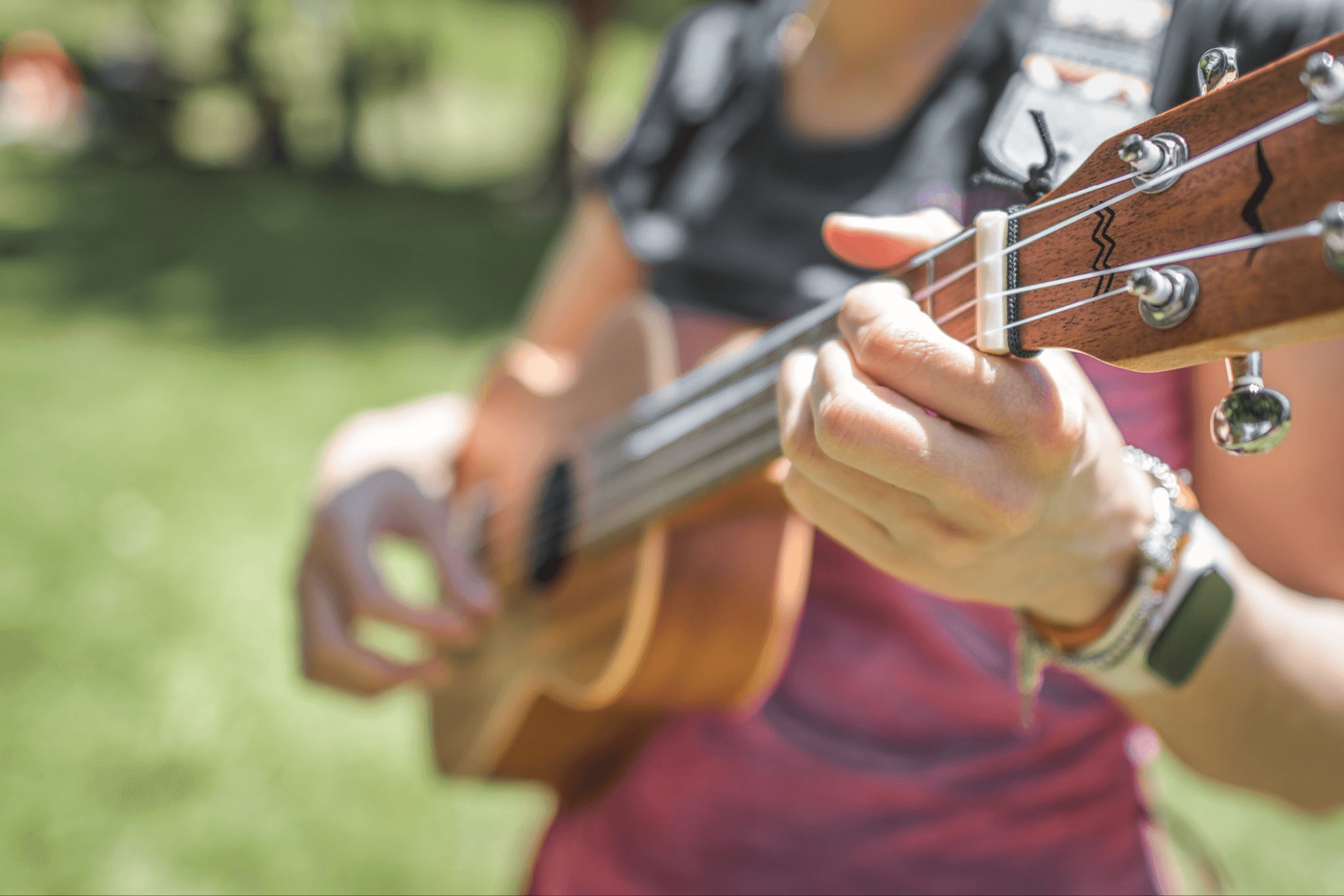
Whether you’re a seasoned player, a curious traveler, or a history buff, these locations offer a deeper connection to the instrument that charmed the world. And if you love exploring how cities shape music, Honolulu’s role in ukulele history is unmatched, making it a must-visit for anyone who believes the best stories are told through strings and song.
1. The Ukulele Site Hawaii (Waikīkī)
No ukulele history tour is complete without a stop at The Ukulele Site Hawaii, a mecca for enthusiasts. This isn’t just a store; it’s a hub where master luthiers like Kamaka Hawaii, the oldest and most revered ukulele manufacturer, showcase their craft. Founded in 1916, Kamaka ukuleles have been played by everyone from Hawaiian royalty to modern-day stars. Here, you can hold instruments that carry over a century of tradition, and if you’re lucky, you might even catch a live demonstration. For those who geek out over ukulele history, this is where you see how Honolulu’s artisans kept the spirit of the instrument alive through generations.
2. Iolani Palace
Long before the ukulele became a global phenomenon, it was the favored instrument of Hawaiian royalty. Iolani Palace, the only royal palace on U.S. soil, is where King Kalākaua known as the “Merrie Monarch” championed Hawaiian music and dance in the late 1800s. His court musicians played early versions of the ukulele, blending Portuguese machete influences with Hawaiian melodies. Walking through these halls, you’re stepping into the era when ukulele history was being written. The palace often hosts cultural events where you can hear traditional Hawaiian music played on period-correct instruments, offering a rare glimpse into the ukulele’s aristocratic roots.
3. Waikīkī Beach Walk
If walls could strum, Waikīkī Beach Walk would be a symphony. In the early 1900s, this stretch of sand and palm trees was the epicenter of Hawaii’s tourism boom and the ukulele was its soundtrack. Legends like Johnny Noble and Liliʻuokalani (Hawaii’s last reigning queen and a composer) performed here, turning the ukulele into a global sensation. Today, you’ll still find street performers keeping the tradition alive, their fingers dancing over strings just as they did a century ago. For a deeper dive into ukulele history, time your visit with the Waikīkī Hoʻolauleʻa, a festival celebrating Hawaiian music, where the ukulele takes center stage.
4. Bishop Museum
For those who want to nerd out on ukulele history, the Bishop Museum is non-negotiable. Home to one of the most extensive collections of Hawaiian artifacts, the museum’s music exhibits trace the ukulele’s journey from its Portuguese roots (brought by Madeiran immigrants in the 1870s) to its reinvention as a Hawaiian icon. You’ll see vintage instruments, handwritten sheet music, and photographs of early ukulele bands that toured the world. The museum also highlights how other cities like Lisbon and San Francisco, played a role in shaping the ukulele’s global story, making it a fascinating stop for anyone intrigued by how music travels across cultures.
5. House Without a Key (Halekulani Hotel)
End your tour where the past and present collide: House Without a Key, the open-air lounge at the Halekulani Hotel. This is where modern ukulele masters like Jake Shimabukuro and Taimane Gardner have performed, blending traditional Hawaiian sounds with contemporary flair. The name itself is a nod to a 1920s song by Harry Owens, a key figure in ukulele history who helped popularize Hawaiian music on the mainland. Sip on a mai tai, listen to live ukulele performances against the backdrop of Diamond Head, and reflect on how Honolulu’s love for this instrument has never faded.
Why Honolulu’s Ukulele History Matters to Cities Worldwide
Honolulu isn’t just a dot on the map; it’s the birthplace of an instrument that traveled the world, adapting to the rhythms of Lisbon’s fado, New Orleans’ jazz, and Tokyo’s pop scenes. The ukulele history you explore here isn’t confined to Hawaii, it’s a story of migration, innovation, and cultural exchange that resonates in cities everywhere. Whether you’re a musician, a historian, or simply someone who loves a good story, Honolulu’s ukulele landmarks remind us that the best music isn’t just heard, it’s felt, lived, and passed down through the streets we walk.


