
resources-malaysia
Understanding the Education Landscape in Malaysia: A Comprehensive Overview
Industry Expert & Contributor
30 Oct 2025

Malaysia's education system is a fascinating and complex landscape, deeply woven into the nation's social fabric and its aspirations for the future. It’s more than just a structure of schools and examinations; it reflects the country's journey and ongoing development. Let's take a closer look at its framework, celebrating its strengths while also acknowledging areas that are still evolving. Consider this a brief overview of the Malaysian world of education, exploring what drives it and the challenges it navigates.
Key Takeaways
- Malaysia's educational pathway is a structured journey, beginning with pre-school and extending all the way through to tertiary studies, with several key stages in between.
- There is a significant national emphasis on ensuring high-quality education is accessible to all citizens, regardless of their geographical location.
- The nation has implemented strategic roadmaps, such as the Malaysia Education Blueprint, to steer the continuous reform and improvement of its educational sector.
- The higher education sector in Malaysia is a dynamic mix of public and private institutions, which are increasingly attracting a global student population.
- Despite notable progress, challenges persist—particularly in bridging the educational divide between rural and urban areas and equipping all students for the demands of the future workforce.
The Structure of Malaysia's Education System
Malaysia's education system is organised with a well-defined structure, designed to provide a cohesive learning experience for every child. The entire framework is segmented into several primary stages, commencing from a very young age.
Pre-School Education Foundations
Catering to our youngest learners, typically between four and six years old, pre-school education is an optional but highly encouraged first step. Think of it as the foundational stage for formal schooling, where children are introduced to basic learning concepts and social skills. It truly sets the stage for their academic journey ahead.
Primary and Secondary Schooling
Upon reaching the age of seven, children enter primary school for a six-year term, which is compulsory for all Malaysian citizens. Following this, they transition to secondary school, which is divided into two phases: lower secondary (Forms 1 to 3) and upper secondary (Forms 4 and 5). It is during upper secondary that students can choose to specialise in either an academic stream or a technical/vocational track.
Here’s a quick overview of the standard progression:
- Pre-School: Ages 4-6 (Optional)
- Primary School: Ages 7-12 (Compulsory)
- Lower Secondary: Ages 13-15 (Compulsory)
- Upper Secondary: Ages 16-17 (Compulsory)
The system has evolved over the decades, with various examination formats and assessment methods being introduced and revised. The ultimate objective remains consistent: to ensure students are well-prepared for the next phase of their life, be it further education or entering the workforce.
Post-Secondary Pathways
After completing secondary school and sitting for the crucial Sijil Pelajaran Malaysia (SPM) examination, students are presented with a host of options. They can pursue Form 6, a pre-university programme, or apply for matriculation programmes. Additionally, various other diploma and foundation courses are available that pave the way for university admission or specialised training. This stage is all about charting a course towards higher learning or a chosen career.
Quality and Accessibility in Malaysian Education
Malaysia has invested considerable effort in ensuring that its education system is both high in quality and widely accessible. The government allocates a significant portion of its budget to the education sector, aiming to equip schools with necessary resources and ensure teachers are well-trained. Major initiatives, like the Malaysia Education Blueprint, have been launched to elevate standards nationwide.
Government Investment in Education
The government's dedication to education is evident in its substantial annual expenditure. This funding allows public primary and secondary education to remain free for citizens, while higher education is also heavily subsidised. This is a cornerstone of the system, as it provides millions with educational opportunities they might not otherwise be able to afford. Such investment is widely regarded as vital for the nation's long-term growth.
Addressing Educational Disparities
Despite this significant investment, disparities still exist. A primary challenge lies in ensuring that children in rural and remote areas receive an education of the same calibre as their urban counterparts. A student's socio-economic background can also influence their educational outcomes, and the ongoing goal is to ensure no one is left behind due to their place of birth or family's financial standing—a crucial and continuous endeavour.
Literacy and Enrollment Rates
Statistically, Malaysia has achieved commendable results in basic literacy and school enrollment. For instance, secondary school enrollment has seen a dramatic increase over the decades, and adult literacy rates are impressively high. These figures reflect a strong educational foundation, but the national focus is now shifting from mere access to enhancing the quality of learning outcomes.
Here's a brief look at some key trends:
- Secondary Gross Enrollment Ratio (GER): Increased from 39.2% in 1970 to 82.5% in 2020.
- Adult Literacy Rate: Rose from 70% in 1980 to 95% in 2019.
While expanding access to education is a monumental achievement, the enduring challenge is to ensure that higher enrollment translates into meaningful learning and skills development for every student, preparing them for an ever-changing world.
Reforms and Policy in Malaysia's Education
Over the years, Malaysia's education system has undergone numerous reforms, often adapting to the country's economic shifts and its position on the global stage. You could think of it as a home that is constantly being renovated to meet modern needs. To guide these transformations, the government has introduced comprehensive strategies, known as Education Blueprints, which outline the vision for schools and universities over a decade or more.
The Malaysia Education Blueprint
This blueprint essentially serves as a national roadmap. The most recent one for higher education, the Malaysia Education Blueprint 2015-2025, was developed in response to concerns that the country's educational outcomes were not keeping pace with global standards. Despite rising university enrollment, many employers felt that graduates lacked the necessary skills for the modern workplace. The blueprint sets ambitious targets, aiming to position Malaysia's higher education system among the world's best and enhance national competitiveness. Key goals include increasing tertiary enrollment and elevating the quality of university research, with specific targets for university representation in top global rankings.
Decentralization of Educational Control
Historically, Malaysia's education system was highly centralized, with most decisions made at the federal level. However, this is gradually changing. The current approach aims to empower schools and local education offices with greater autonomy. This could mean giving schools more control over their budgets and the implementation of the national curriculum. It also impacts student assessment; there is a move away from relying solely on major national examinations towards incorporating more school-based assessments. This allows local schools to develop, administer, and grade their own tests, albeit within a framework of national standards.
Curriculum Development and Assessment
In the past, the national curriculum was updated less frequently. But in today's fast-paced world, driven by technology and a globalised economy, the curriculum must evolve constantly. New syllabuses have been introduced to equip students with skills relevant to future industries. This is intrinsically linked to assessment methods. The shift towards school-based assessments is part of a broader strategy to gain a more holistic understanding of a student's knowledge and abilities, rather than just their performance on a single, high-stakes exam. It's a concerted effort to ensure that what is taught is relevant and that students are genuinely prepared for success.
The medium of instruction in schools has also been a significant area of policy discussion. While Bahasa Melayu is the primary language in national secondary schools, vernacular primary schools that teach in Mandarin or Tamil continue to operate. This multilingual approach reflects Malaysia's diverse society, though it remains a subject of ongoing dialogue and policy refinement.
Higher Education Landscape in Malaysia
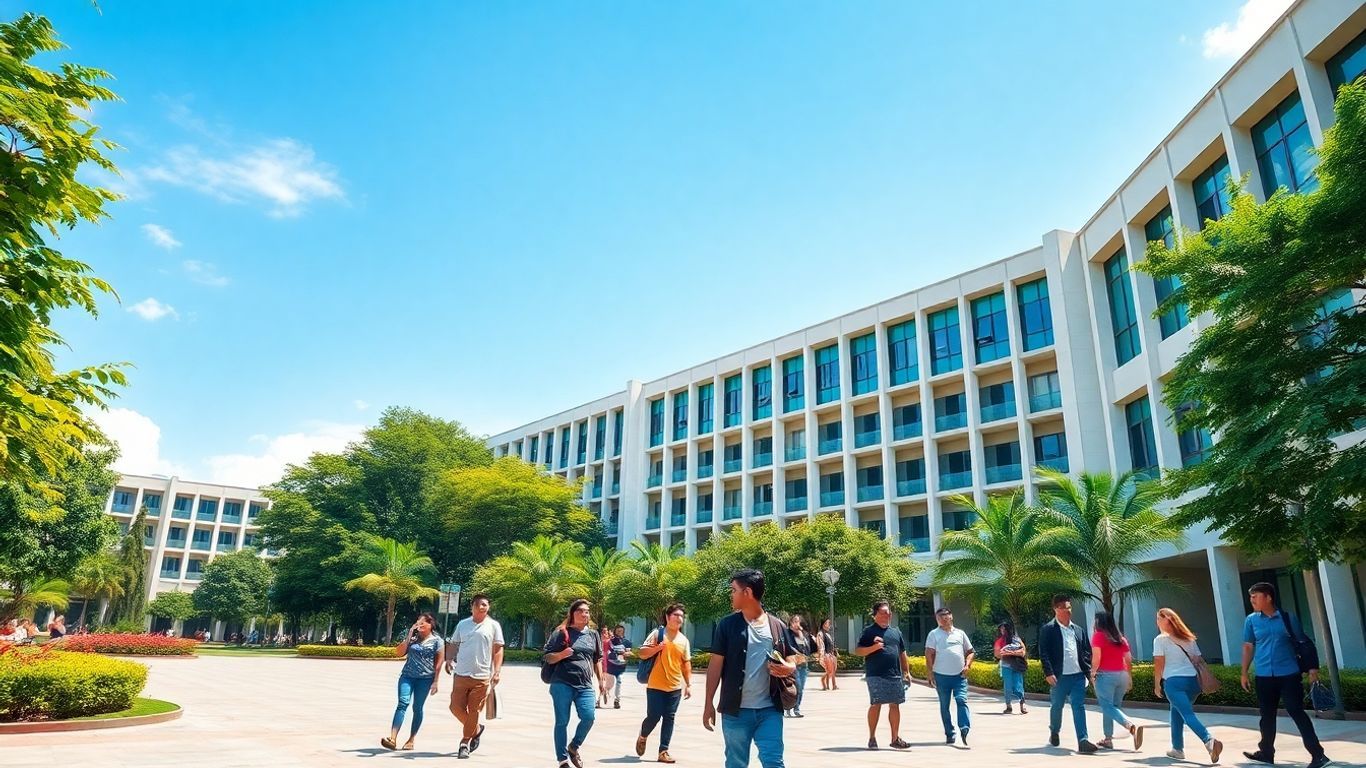
Today, Malaysia's higher education scene is remarkably diverse. It comprises a wide array of institutions—public and private universities, international branch campuses, and specialised religious institutes. Together, they offer qualifications ranging from foundational certificates to doctoral degrees. This wasn't always the case; for a long time, the University of Malaya was the country's sole university. The landscape began to transform in the 1970s as the government established more public universities to meet growing demand.
Public and Private Higher Education Institutions
As the demand for higher education outpaced the capacity of public institutions, many Malaysians began to pursue their studies abroad. To address this, the government enacted the Private Higher Education Institutions Act in 1996. This landmark legislation paved the way for the establishment of private colleges and universities and facilitated the entry of foreign university branch campuses. As a result, students now have a much broader range of choices.
Public institutions consist of universities, polytechnics, and community colleges. In 2021, public universities enrolled nearly 600,000 students, while polytechnics and community colleges served a smaller cohort, primarily focusing on technical and vocational training.
| Institution Type | 2021 Enrollment | Focus Areas |
|---|---|---|
| Public Universities | 589,879 | Research, specialized fields, general studies |
| Polytechnic Institutions | 84,556 | Technical and Vocational Education and Training |
| Community Colleges | 15,578 | Technical and Vocational Education and Training |
Although these are public institutions, students typically pay tuition fees, but these are substantially lower than those at their private counterparts.
Tertiary Enrollment and Global Rankings
Increasing participation in higher education remains a key national objective. The country's tertiary Gross Enrollment Rate (GER) has fluctuated over the years, recently recorded at 42.6 percent. While Malaysia has made significant progress, it has not always met the ambitious targets set in its education blueprints. In global university rankings, Malaysian universities have a respectable presence, though not always within the top tier. The University of Malaya, for instance, is consistently the nation's highest-ranked institution, occasionally breaking into the global top 100 in certain rankings. Other Malaysian universities also feature regularly within the top 400, indicating a solid international standing.
The push to boost student enrollment while simultaneously enhancing the quality of education is a continuous balancing act. It involves making higher education more accessible while ensuring its relevance to the demands of the modern job market.
The Role of Private Higher Education Institutions Act
The 1996 Act was a true game-changer. Before its implementation, educational options were far more limited. Its introduction spurred the rapid growth of private institutions, including foreign branch campuses, which in turn fostered healthy competition and gave students a wealth of new choices. This also played a crucial role in internationalising the higher education sector by introducing diverse educational models and expertise. The government has continued to foster this growth, even establishing dedicated education hubs to attract more international institutions. This strategy has helped position Malaysia as an appealing destination for international students seeking a quality education at a competitive cost.
The government actively markets Malaysia as an international study destination, streamlining processes for students through initiatives like simplified visa applications and dedicated support services. This global focus is seen as a strategic move to strengthen the local education sector and contribute to the national economy.
International Education and Mobility in Malaysia
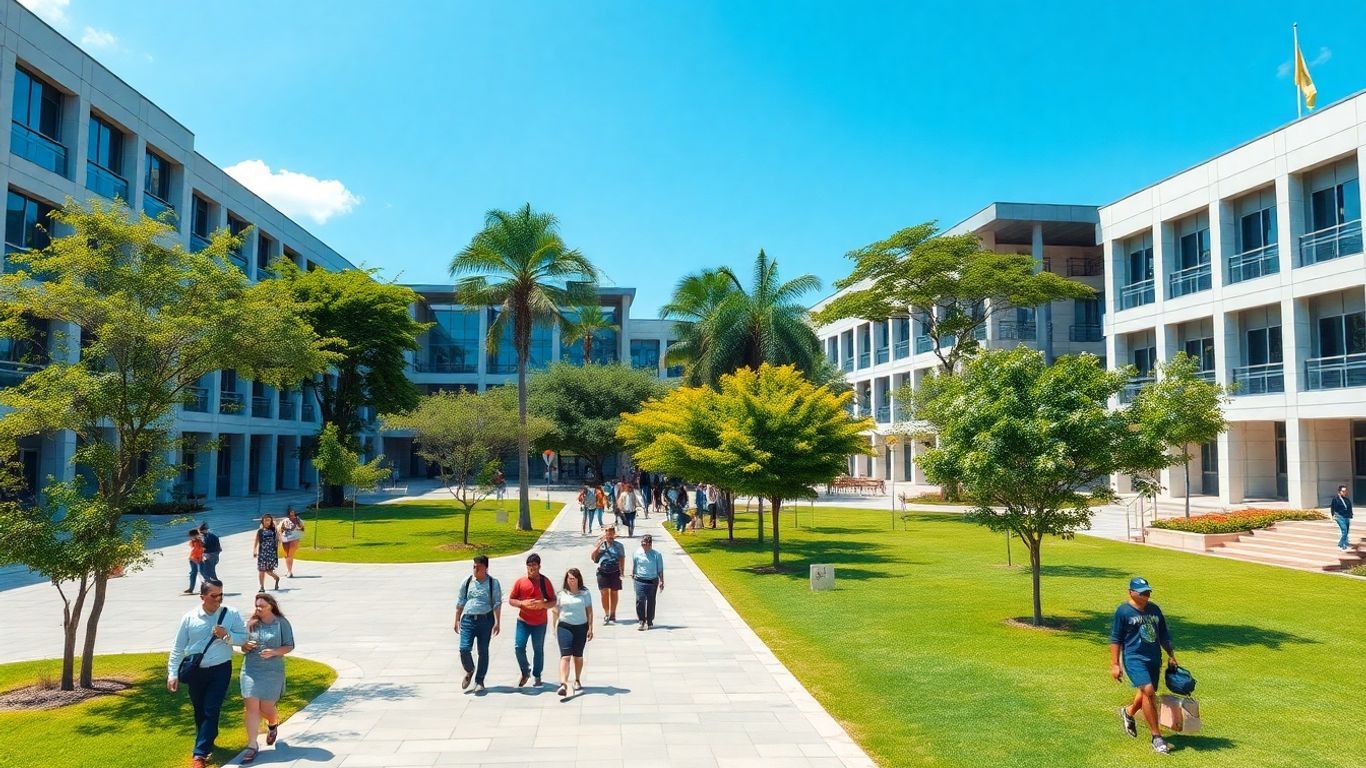
Malaysia as a Destination for International Students
Malaysia has made significant strides in positioning itself as an attractive destination for students from around the world. It has become a particularly popular choice within Southeast Asia, drawing large numbers of students from East and South Asia who are seeking a high-quality education that offers excellent value for money. The government has been proactive in its goal to establish Malaysia as a global education hub, a vision that is steadily being realised. Organisations like Education Malaysia Global Services (EMGS) have been established to streamline the application and arrival process for international students. The ambitious national target is to attract a substantial number of international students by 2025.
Key source regions for international students include:
- East Asia
- South Asia
- Other regions showing growing interest
Interestingly, this growth is occurring as some traditional host countries, like Australia, experience shifts in international student demographics due to geopolitical factors. Malaysia presents a compelling alternative, with its affordable costs and multicultural, welcoming environment. It is a strategic move by the nation to open its doors even wider.
Malaysia is actively working to diversify its international student population, looking beyond traditional markets to attract learners from a broader range of countries. This approach aims to fortify Malaysia's standing on the global education map.
International Schools Offering Global Curricula
Beyond the tertiary level, Malaysia is also home to a flourishing international school sector. These schools provide curricula that are recognised globally, such as the British, American, or International Baccalaureate (IB) programmes. This gives families—both local and expatriate—the option for their children to pursue a global educational pathway from an early age. Concentrated mainly in major cities, these schools often boast modern facilities and a pedagogical focus on developing well-rounded individuals.
Cross-Border Educational Collaborations
Malaysia has also become a prominent hub for Transnational Education (TNE) programmes. This involves local institutions partnering with foreign universities—often from the UK, Australia, or the US—to offer internationally recognised degrees within Malaysia. These arrangements allow students to begin their studies locally and transfer to the partner university abroad, or even complete the entire foreign degree in Malaysia. It's an effective way to gain an international qualification without the need to relocate for the full duration of the course. These collaborations are governed by formal agreements that outline everything from curriculum delivery to the final degree award, creating a flexible and accessible educational model.
| Partner Country | Number of TNE Programs (Approx.) |
|---|---|
| United Kingdom | High |
| Australia | Moderate |
| United States | Moderate |
This framework provides exceptional flexibility and choice for students pursuing specific academic ambitions. It is a significant component of Malaysia's strategy to become a regional leader in international education.
Challenges and Opportunities in Malaysian Education
Bridging Urban and Rural Educational Gaps
Despite the considerable progress Malaysia has made, a notable disparity in educational outcomes persists between urban and rural areas. Schools in cities and towns often benefit from greater resources, superior facilities, and easier access to experienced teachers compared to their counterparts in more remote locations. This creates an uneven playing field. The government is actively addressing this issue, but closing the gap remains a formidable task.
A closer look reveals some key differences:
- Resources: Urban schools are more likely to have well-equipped science labs and extensive libraries, whereas some rural schools may face challenges with basic supplies.
- Teacher Quality: Attracting and retaining highly skilled educators in remote areas can be a persistent challenge.
- Connectivity: Access to reliable internet is typically better in urban centres, which directly affects opportunities for digital and online learning.
Socio-Economic Factors in Education
A family's financial standing can significantly influence a student's academic journey. Children from lower-income households may lack a supportive home study environment or access to supplementary learning materials. In some cases, they may need to contribute to the family's livelihood, which can take time away from their studies. It's a complex challenge that the education system seeks to mitigate through various support schemes and financial assistance programmes.
The overarching aim is to ensure that a student's socio-economic background does not dictate their educational potential. This involves addressing issues like school fees, access to tuition, and even providing nutritional support so students can concentrate effectively in class.
Fostering Skills for the Global Economy
Malaysia's ambition is to become a high-income nation built on innovation and global competitiveness. To achieve this, the education system must cultivate a workforce equipped with the right skills. This requires a shift away from rote memorisation towards developing critical thinking, problem-solving, and collaboration. The national curriculum is continuously being updated to integrate more practical skills and subjects vital for future industries, such as technology and entrepreneurship. The focus is moving from simply passing examinations to ensuring graduates are truly prepared for the realities of the modern workplace and the jobs of tomorrow.
Wrapping It Up
In reviewing Malaysia's educational landscape, it's evident that immense effort has been channelled into expanding access to learning for all. The growth in enrollment over the years is a significant achievement. While certain challenges remain—such as ensuring equitable quality between urban and rural areas and across different socio-economic groups—the nation is undeniably on a forward trajectory. It is a system in constant evolution, striving to better prepare its students for the complexities and opportunities of a rapidly changing world. The journey is ongoing, but the direction is certainly a positive one.
Frequently Asked Questions
What are the different stages of education in Malaysia?
Malaysia's education system begins with optional pre-school for children aged 4-6. This is followed by six years of compulsory primary education and then five years of secondary school, split into lower (Forms 1-3) and upper (Forms 4-5) levels. After secondary school, students can pursue post-secondary pathways like Form 6 or matriculation before entering higher education.
Is education free in Malaysia?
Public primary and secondary education in Malaysia is largely free for citizens, supported by substantial government funding. Higher education at public institutions is also heavily subsidised, making it accessible to many. However, fees apply for private institutions and certain specialised programmes.
What is the Malaysia Education Blueprint?
The Malaysia Education Blueprint is a comprehensive, long-term strategic plan developed by the government to reform and enhance the nation's education system. It outlines specific goals and initiatives aimed at improving school performance and equipping students with the skills needed for the modern global economy, ultimately seeking to elevate the overall quality of education in Malaysia.
Does Malaysia have international schools?
Yes, Malaysia has a robust and growing number of international schools offering various global curricula, such as the International Baccalaureate (IB), Cambridge IGCSE, and American systems. These schools provide an excellent option for families seeking an education that is recognised worldwide.
Why is Malaysia a popular place for international students?
Malaysia has become a leading destination for international students in Southeast Asia. This popularity stems from its wide variety of high-quality universities and colleges, diverse course offerings, and relatively affordable tuition fees and living costs compared to many other popular study destinations.
What are some challenges in Malaysian education?
A key challenge is ensuring educational equity between urban and rural areas, where resource and facility gaps can exist. Another is addressing how socio-economic factors impact student opportunities. Furthermore, there is an ongoing focus on adapting the curriculum to equip students with the critical thinking and practical skills required for future job markets.


