
resources
How Washington DC Smart City Innovations Are Shaping Urban Living in 2025
05 Oct 2025

Walking around Washington, D.C. these days, one can truly sense the transformative shifts underway. From smart traffic signals intelligently managing flows to the quiet hum of an expanding electric bus fleet, and even the surprising appearance of new park spaces in previously overlooked spots, the city is actively investing in a better future for its residents. Employing both cutting-edge technology and innovative green strategies, DC is diligently addressing the pressures that accompany urban growth. Indeed, in 2025, Washington, D.C.'s smart city projects are evident throughout the landscape, ranging from widespread solar panel installations to new, well-connected bike lanes. While perfection remains an ongoing pursuit—and some growing pains are inevitable—the city is undeniably committed to balancing progress with the vital goals of livability and equity.
Key Takeaways
- Washington, D.C.'s smart city initiatives harness real-time data and interconnected technologies to elevate daily life, significantly enhancing public transport and essential utility services.
- Even as new construction reshapes the skyline, the city prioritizes the expansion of green spaces and community gardens, ensuring neighborhoods remain vibrant, healthy, and enjoyable for all.
- Renewable energy sources, particularly solar and wind power, are becoming increasingly central to urban development projects, with educational institutions like schools and universities setting a compelling example.
- A significant focus is placed on creating affordable, technologically advanced housing solutions, featuring new developments that thoughtfully integrate homes, retail, and green elements to support a thriving, expanding population.
- Both public agencies and private entities are collaborating closely, pooling resources and expertise to fund and shape these urban transformations, critically ensuring residents have a meaningful voice in the city’s evolving trajectory.
Integrating Technology into Washington DC Smart City Infrastructure
Technology now lies at the very core of Washington, D.C.'s urban development and modernization efforts in 2025. Rather than adhering to conventional construction methods, the city is skillfully intertwining digital tools with its physical infrastructure, thereby redefining not only the aesthetic but also how people interact with and experience the city on a daily basis. Let's delve into the principal ways D.C. is embedding technology into its foundational infrastructure.
IoT-Enabled Public Services and Utilities
While the city’s embrace of the Internet of Things (IoT) might sound like a high-tech concept, in practical terms, it translates directly into enhanced efficiency and greater reliability for critical everyday services. Essential utilities—spanning everything from waste collection to sophisticated water management—now leverage an array of sensors and smart devices, enabling them to communicate potential issues with remarkable speed. What does this mean for you?
- Smart water meters can instantly pinpoint leaks, thereby helping to avert costly damage and significantly conserve precious water resources.
- Intelligent trash bins transmit alerts when they reach capacity, ensuring collection trucks operate on optimized routes and avoid unnecessary trips.
- Streetlights dynamically adjust their brightness based on ambient conditions and activity levels, dramatically reducing energy waste during off-peak hours.
The collective outcome is a remarkably smoother urban experience: problems are often addressed proactively, long before they escalate into crises, and valuable resources are utilized judiciously—a benefit that extends to every resident.
Real-Time Data for Efficient City Operations
Washington, D.C. has meticulously constructed a robust digital backbone for its city management. With a continuous stream of data flowing in day and night, municipal teams are empowered to resolve issues more swiftly, adapt to fluctuating traffic patterns, and ensure the seamless operation of critical services. It’s a paradigm shift, favoring responsive action over administrative delays.
Key advantages derived from this approach:
- Significantly faster response times to emergent problems, such as power outages or hazardous icy road conditions.
- Adaptive traffic lights that intelligently modify their patterns to alleviate congestion during peak hours.
- Timely public updates delivered via dedicated apps, keeping residents informed about developments in their immediate surroundings.
Here’s a simplified illustration of how real-time data is actively deployed:
| Urban Operation | Data Collected | Impact |
|---|---|---|
| Water Usage | Flow, Pressure | Leak detection, conservation |
| Electricity Grid | Usage, Outages | Faster repair, lower blackouts |
| Public Transit | Vehicle Location | Accurate arrival predictions |
| Traffic | Volume, Speed | Smoother traffic flow |
Smart Grids and Energy Management Systems
Effectively managing energy consumption across a metropolitan area the size of D.C. presents a considerable challenge. Thankfully, smart grids are proving instrumental in this endeavor, meticulously ensuring electricity is delivered precisely where and when it's required—and strategically shifting usage away from peak periods to help mitigate costs.
- Buildings equipped with smart meters automatically curtail their energy usage during peak demand periods.
- Energy harvested from solar panels and wind turbines can be efficiently stored and deployed as needed, minimizing waste.
- Outages are identified with remarkable speed, facilitating a block-by-block restoration of power.
The interconnectedness is key, linking everything from public housing complexes to prominent corporate offices. Should one component encounter an issue, the smart grid can intelligently reroute power, ensuring the vast majority of residents remain unaffected.
This innovative, interconnected approach to managing urban resources is actively enhancing the reliability and predictability of daily life for D.C. residents, simultaneously establishing a compelling model for other cities to emulate.
Sustainable Transportation Initiatives Transforming Urban Mobility
Washington, D.C. is actively redefining urban travel by robustly embracing more sustainable transportation systems. The city's vision extends far beyond merely accelerating vehicular movement—it's fundamentally about fostering cleaner, more flexible, and more accessible everyday travel options for everyone. With a multitude of initiatives underway, let's explore some of the most impactful efforts.
Expansion of Public Transit and Electric Buses
Enhancements to the Metro system and regular bus service have rightly become a paramount concern. Over the past year, D.C. has progressively integrated a greater number of electric buses into its public transit fleets. These advanced vehicles significantly reduce emissions compared to traditional diesel buses, yielding tangible benefits for air quality and noise reduction in bustling neighborhoods. Furthermore, the city has launched new rapid bus lines, strategically connecting areas that were previously less accessible.
- An increasing number of electric buses now operate on extended routes daily, contributing to a greener fleet.
- Metro service has seen expanded hours and heightened frequency during peak commuting times, alleviating congestion.
- Significant upgrades have been implemented at bus stops and stations, including the addition of digital timetables and comfortable, covered waiting areas.
This strategic transition offers advantages for both daily commuters and the environment. Here’s a brief overview of the local bus fleet's modernization:
| Year | Electric Buses (% of Fleet) | Diesel Buses (% of Fleet) |
|---|---|---|
| 2022 | 10% | 90% |
| 2025 | 35% | 65% |
The difference is palpable, and people are noticing. Buses operate more quietly, and waiting at stops now feels noticeably safer and more comfortable. Transit isn't just performing better—it feels inherently fresher and more welcoming.
Development of Bike Lanes and Pedestrian Pathways
D.C.'s unwavering dedication to fostering bike- and pedestrian-friendly travel continues to flourish. Each passing year brings the addition of new, dedicated lanes for cyclists and broader sidewalks for those on foot. These crucial upgrades extend from the bustling downtown core into diverse neighborhoods, significantly simplifying the decision to forgo cars for shorter excursions.
- Protected bike lanes are being installed to create a distinct and safe separation for cyclists from vehicular traffic.
- Pedestrian safety is being enhanced with improved crosswalks featuring superior lighting.
- Citywide networks are meticulously weaving together existing trails, parks, and business districts, creating seamless connectivity.
The city’s highly popular bike-share program is experiencing parallel growth alongside these expanding pathways. This synergy makes it remarkably convenient for anyone—be they long-term residents or visiting tourists—to cycle safely and enjoyably.
Support for Electric Vehicles and Charging Networks
While personal cars remain an integral part of D.C. life, the city is actively supporting residents in their transition to electric vehicles (EVs). D.C. is systematically expanding its network of EV charging stations in parking garages, prominent shopping centers, and along major thoroughfares. This initiative provides drivers with an abundance of recharging options, significantly reducing range anxiety and enhancing convenience.
Key measures of support include:
- A substantially expanded charging infrastructure across all city wards.
- Introduction of incentives specifically designed for families and local businesses considering a switch to EVs.
- Formation of strategic partnerships with private companies to ensure the ongoing maintenance and monitoring of charging units.
| Category | 2022 | 2025 |
|---|---|---|
| Public EV Chargers | 180 | 420 |
| Residential Incentives | No | Yes |
One can now spot a charging station every few blocks—even in locations where, just a year ago, only parking meters stood. This widespread availability is making the transition to greener personal transportation feel considerably more attainable for the average person.
D.C.’s proactive and hands-on strategy means that getting around the city is steadily becoming greener, safer, and more affordable. The objective isn't to eliminate existing transportation options, but rather to empower everyone with newer, superior choices for navigating the urban landscape.
Green Spaces and Environmental Sustainability in Urban Development
Intelligent urban growth encompasses far more than simply constructing new housing and integrating advanced technology. Crucially, it's also about safeguarding our natural environment and designing urban areas that genuinely enhance residents' well-being. In Washington, D.C., city planners and residents alike have increasingly focused on ensuring that neighborhood expansion proceeds without sacrificing essential environmental considerations. Here's a closer look at what sustainable development entails here in 2025.
Eco-Friendly Parks and Community Gardens
- D.C. is actively developing new parks and gardens in neighborhoods that historically lacked sufficient green space.
- Many of these fresh recreational areas are being created through the conversion of underutilized lots and by skillfully integrating smaller green patches into densely populated housing districts.
- Community gardens empower residents to cultivate their own food, fostering stronger neighborhood ties and enhancing access to nutritious produce.
An increasing number of city-managed parks now proudly showcase features such as rain gardens, beds of native plants, and playgrounds thoughtfully constructed from recycled materials. These verdant havens are doing more than just providing families with a welcome respite from concrete—they are actively purifying the air and efficiently managing stormwater runoff.
Each time a park is introduced, it swiftly transforms into a tranquil oasis amidst bustling streets. Even in modest proportions, greenery plays a vital role in mitigating city temperatures and making D.C. a more comfortable place to be during the warm summer months.
Balancing Urban Growth with Natural Preservation
As Washington, D.C. continues to welcome more residents, it grapples with a complex question: how much can it expand before encroaching too heavily on its natural elements? Here's how D.C. is addressing this delicate balance:
- Mandating that significant development projects incorporate public green space, sometimes achieved through innovative rooftop gardens or interconnected walking trails.
- Strictly enforcing tree canopy goals, aiming to maintain a specific percentage of the city shaded by mature trees.
- Integrating comprehensive environmental impact assessments into all new infrastructure planning stages.
Table: Tree Canopy Goals in DC Urban Districts (2025)
| District | Canopy Target | Achieved (%) | Remaining Acres Needed |
|---|---|---|---|
| Northwest | 45% | 42% | 130 |
| Northeast | 35% | 30% | 85 |
| Southwest | 25% | 22% | 40 |
| Southeast | 30% | 27% | 60 |
Innovative Green Rooftop Strategies
Sometimes, the most viable path to introducing more green space involves building upwards rather than outwards. This pragmatic reality explains why green rooftops have become a standard feature for numerous new apartment complexes and office buildings:
- They utilize drought-hardy, low-maintenance plant species, significantly reducing the demand for intensive irrigation.
- Green roofs contribute to substantial energy savings for buildings by providing effective natural insulation.
- They are highly effective in managing heavy rainfall, capturing runoff and thereby mitigating the risk of urban sewer floods.
Furthermore, there's a growing movement for shared rooftop gardens, offering residents the opportunity to reserve plots for cultivating vegetables or native flowers. Intriguingly, many of these innovative rooftops even host beehives, actively supporting local pollinator populations.
This thoughtful integration of parks, preserved natural areas, and inventive rooftop gardens vividly illustrates D.C.'s ongoing commitment to finding a harmonious middle ground—creating ample space for both its burgeoning population and its cherished natural environment. While certainly a work in progress, each year sees more neighborhoods recognizing that a truly smart city can—and indeed, should—feel inherently green.
Renewable Energy Adoption in Washington DC Smart City Projects
Washington, D.C. has firmly fixed its gaze on a future powered by clean energy, establishing renewable resources as a foundational element of its smart city blueprints. The widespread embrace of solar, wind, and other renewable technologies is fundamentally reshaping the urban fabric, actively reducing pollution and invigorating neighborhoods with innovative power solutions. In this section, we'll examine precisely how renewables are being woven into buildings, the broader city grid, and major institutions throughout D.C.
Solar and Wind Energy Integration
City leadership has articulated ambitious goals: consequently, a growing number of homes and businesses now harness solar panels, with new installations visibly adorning rooftops across the District. Wind power, while less conspicuous within the urban core, is experiencing significant growth thanks to strategic regional partnerships. Notably, local government buildings and various private companies are increasingly sourcing their electricity directly from offsite wind farms. Here’s a concise summary:
- Community solar projects offer a practical avenue for renters and condominium residents to invest in solar energy without requiring individual panel installation.
- Strategic incentives for homeowners are making solar power more financially accessible and appealing than ever before.
- D.C.'s electricity grid is progressively integrating a larger proportion of power from wind farms situated in neighboring states, steadily decreasing its reliance on fossil fuels.
| Year | % of Electricity from Renewables |
|---|---|
| 2020 | 18% |
| 2023 | 27% |
| 2025 (goal) | 33% |
Even incremental increases in solar and wind power can generate substantial improvements in local air quality and significantly propel D.C. towards its critical carbon reduction objectives.
Energy-Efficient Building Standards
All new construction and a considerable number of renovation projects are now mandated to adhere to stringent energy efficiency standards. This shift has fundamentally altered the approach of architects and builders alike:
- Green roofs and smart window technologies are now commonly incorporated features in D.C.'s contemporary buildings.
- Updated building codes necessitate superior insulation, which in turn leads to notably lower heating and cooling costs for occupants.
- Automated lighting and HVAC systems, equipped with advanced sensors, intelligently conserve energy.
Extensive retrofitting initiatives are currently underway in existing schools, towering office complexes, and even multifamily housing units, all aimed at systematically reducing energy consumption across the city.
Role of Institutions in Advancing Clean Power
Major universities and hospitals within D.C. are playing a pivotal role in the city's concerted push for clean power. Georgetown University, for instance, operates on a strategic combination of solar and purchased wind energy. Hospitals are actively experimenting with advanced battery storage solutions and on-site renewables to ensure uninterrupted power during potential outages—a truly critical application. Here are several ways large institutions are leading by example:
- Making substantial investments in large-scale solar partnerships.
- Installing sophisticated microgrids to provide resilient backup power.
- Proactively sharing best practices and valuable insights with other organizations, thereby accelerating the citywide transition to clean energy.
Evidently, the momentum is undeniable. D.C.'s comprehensive approach to renewable energy transcends mere technological adoption—it is fundamentally about constructing a city that can flourish without compromising on clean air, reducing utility bills, and ultimately enhancing the overall quality of life for its inhabitants.
Smart Housing and Real Estate Advancements Shaping Communities
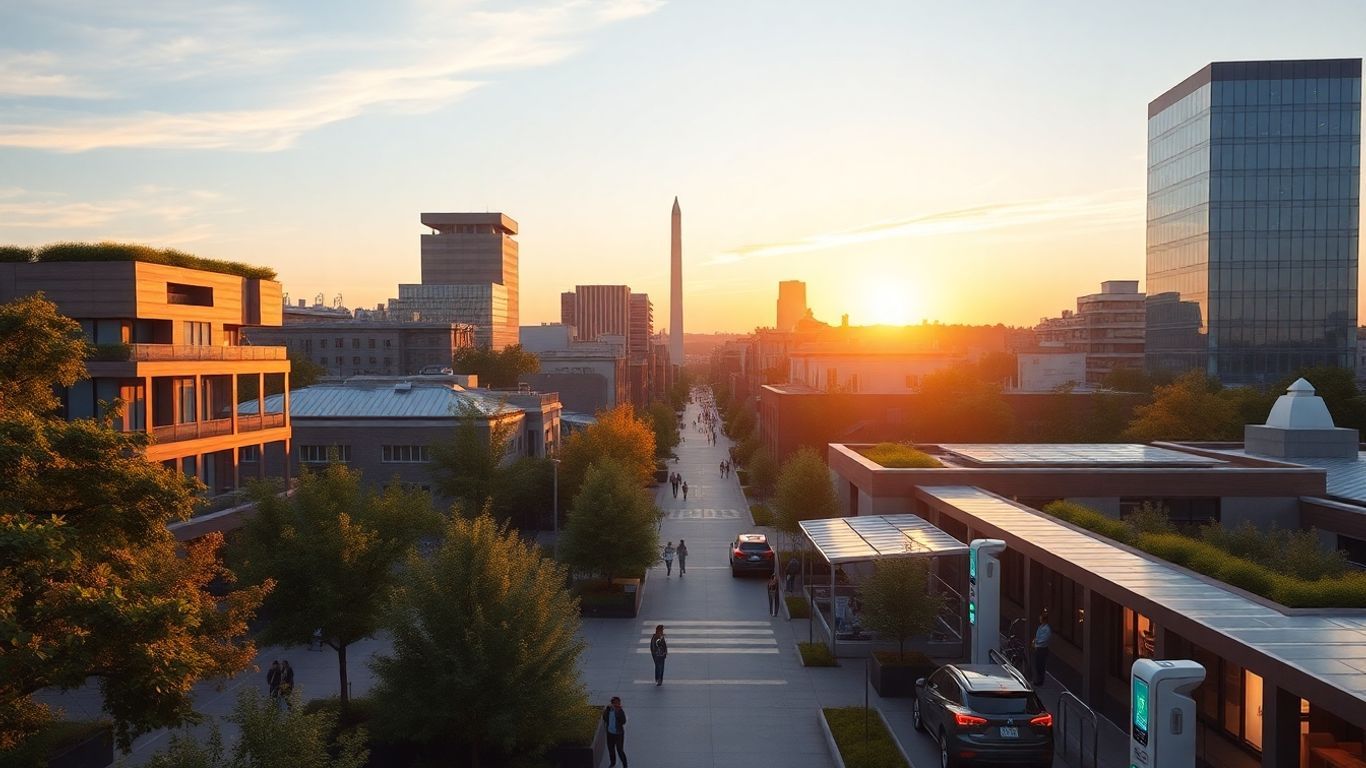
As 2025 progresses, Washington, D.C. is actively embracing smart housing and innovative real estate projects that are fundamentally reconfiguring how its residents live, work, and connect. These transformative changes touch upon everything from housing affordability and environmental sustainability to the sheer convenience of daily life. Indeed, real estate development is no longer solely about constructing structures—it's profoundly about integrating digital tools and thoughtful design principles to genuinely enhance the quality of life for everyone.
Affordable and Smart Housing Solutions
The dual objective of making housing both affordable and intelligently equipped stands as a paramount priority within D.C.'s smart city agenda. Developers and policymakers are diligently adopting novel strategies to deliver homes that remain accessible while simultaneously leveraging technology to curb costs and significantly boost efficiency. Some key methods being employed include:
- Utilizing innovative modular construction techniques that realize both time and cost savings.
- Implementing sophisticated energy-monitoring systems to empower residents in managing their utility expenditures more effectively.
- Strategically leveraging public incentives to facilitate the development of a greater number of mixed-income communities.
Here’s an overview of how D.C.'s affordable smart housing sector has progressed since 2022:
| Year | New Affordable Smart Units | Percent Using Smart Tech |
|---|---|---|
| 2022 | 1,600 | 38% |
| 2023 | 2,300 | 53% |
| 2024 | 3,000 | 66% |
| 2025 | 3,850 | 78% |
Connected Mixed-Use Developments
Mixed-use projects are experiencing a notable surge, skillfully blending residential, commercial, and public spaces—often seamlessly interconnected by smart technology. This integrated approach cultivates a more practical and enjoyable daily existence, effectively reducing commute times and actively fostering social engagement. Innovations commonly observed in these dynamic mixed-use environments include:
- The integration of real-time parking management systems and instantaneous public transit updates.
- The installation of shared rooftop gardens or communal solar panels for enhanced sustainability and community benefit.
- Offering convenient, app-based access to shared amenities such as fitness centers and co-working spaces.
Integration of Sustainable Building Practices
Sustainability forms the bedrock of D.C.’s real estate growth trajectory. By steadfastly prioritizing energy-saving design and responsibly sourced, eco-friendly materials, buildings are becoming inherently better for both their occupants and the city's broader environmental health. Core initiatives in this domain encompass:
- Achieving the lowest possible energy consumption for heating, cooling, and lighting systems.
- Prioritizing the use of recycled or sustainably renewable building materials throughout construction.
- Significantly enhancing indoor air quality through the implementation of superior ventilation systems.
Ultimately, smart housing isn’t merely about an array of gadgets or superficial technological upgrades. The fundamental movement in D.C. is directed towards delivering enduring value—thoughtfully combining affordable living, health-promoting spaces, and robust community connections within each new development.
Through genuine investment in smart, sustainable housing, Washington, D.C. in 2025 is actively discovering superior methods to construct a city that is simultaneously forward-thinking and genuinely welcoming to all its residents.
Public-Private Partnerships Driving Washington DC’s Smart City Growth
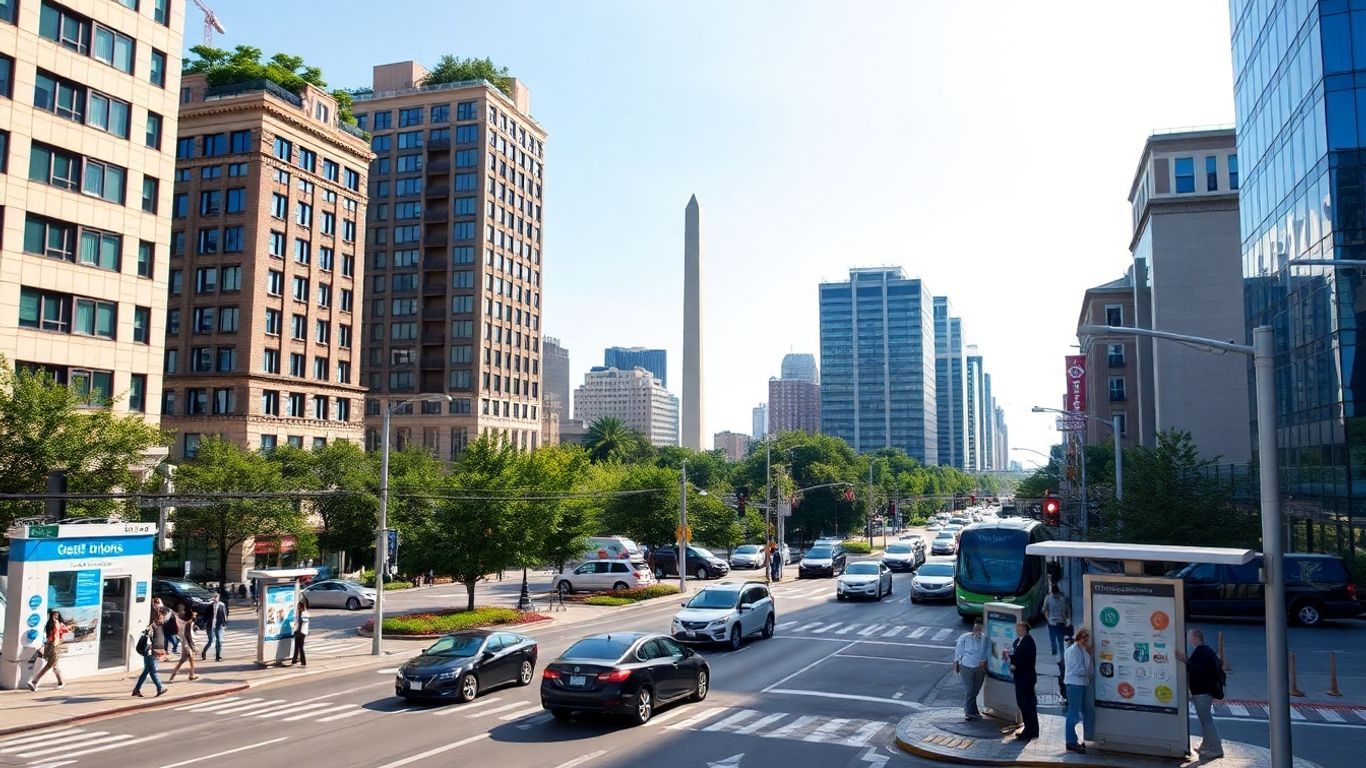
Public-private partnerships (PPPs) are unequivocally at the heart of how Washington, D.C. is successfully deploying its smart city initiatives, and frankly, they are what make many of these transformative changes genuinely feasible. By strategically joining forces, municipal agencies and private sector leaders are not only able to ensure projects remain adequately funded and on track, but also to rapidly integrate the very latest technology and specialized expertise. This dynamic collaboration is proving remarkably effective in enhancing the city's livability and future-readiness as we approach 2025.
Collaborative Urban Development Projects
Some of the most significant community improvements taking shape across Washington, D.C. are the direct result of close-knit collaboration. These impactful partnerships frequently address:
- The expansion of crucial digital infrastructure, encompassing projects like city-wide Wi-Fi networks or advanced smart street lighting systems.
- The integration of cutting-edge waste management technologies and sophisticated IoT solutions into essential public services.
- The development and ongoing maintenance of eco-friendly public spaces, often leveraging data-driven tools for optimal planning and design.
For instance, initiatives akin to the Smart Cities Council partnership are actively assisting D.C. in scaling up AI-powered technology across a broad spectrum of applications, from utilities to more sustainable transit options.
Mobilizing Investment for Innovation
Funding ambitious smart city projects is seldom something the city can manage entirely on its own—private investment almost invariably fills crucial financial gaps. This creative approach to financing empowers the city to:
- Launch innovative pilot programs for emerging technologies with a reduced level of financial risk.
- Rapidly scale successful ideas, such as widespread EV charging networks and comprehensive building retrofits.
- Ensure the long-term maintenance of infrastructure by sharing operational costs and pooling valuable resources.
A quick glance at the diverse types of projects underway clearly illustrates how funding is strategically channeled from multiple sources:
| Project Type | City Funding | Private Funding | Federal Grants |
|---|---|---|---|
| Broadband Expansions | 40% | 50% | 10% |
| Smart Energy Upgrades | 30% | 60% | 10% |
| Public Transit Systems | 50% | 30% | 20% |
Community Engagement in Decision-Making
Smart city planning extends far beyond just technology and finance—it's absolutely imperative that residents are actively involved in determining what gets built and how it will ultimately be utilized. Meaningful participation is fostered through various avenues:
- Organizing transparent public consultations on new digital services or proposed sustainability initiatives.
- Establishing accessible feedback platforms, allowing residents to openly share concerns or propose valuable improvements.
- Empowering community groups to assume active roles in pilot project testing or critical program outreach efforts.
For Washington, D.C., fostering trust and maintaining transparency among city leaders, businesses, and residents is absolutely critical for achieving lasting, truly inclusive innovation. By keeping lines of dialogue open and actively encouraging participation at every stage, these vital partnerships transform technological projects into tangible improvements in the daily lives of city dwellers.
It’s abundantly clear that without these creative alliances between public and private stakeholders, the journey toward a smarter and more sustainable D.C. would undoubtedly appear a great deal more arduous.
Balancing Urban Expansion and Livability in Washington DC
Washington, D.C. is experiencing rapid growth, which naturally presents a fresh array of challenges for everyone who calls this vibrant city home or workplace. The demand for more housing and upgraded infrastructure is undeniable, yet simultaneously, there's a collective desire to preserve Washington, D.C.'s green character, breathable air, and overall enjoyable atmosphere. Deciphering how to accommodate this growth without sacrificing what inherently makes the city appealing has emerged as a central concern.
Addressing the Challenges of Rapid Growth
While every new apartment complex and office tower offers an opportunity to modernize D.C., rapid expansion inevitably brings its own set of complications—aren't we always weighing the pros and cons?
- Housing prices tend to escalate, creating significant hurdles for both new and long-time residents seeking affordable options.
- Increased construction activity can lead to heightened noise pollution, more vehicular traffic, and reduced availability of precious park land.
- Existing infrastructure—including water supply, electrical grids, and public transportation networks—often faces considerable strain.
Here’s a concise comparison of how some key indicators have evolved from 2023 to 2025:
| Indicator | 2023 | 2025 |
|---|---|---|
| Population (millions) | 0.71 | 0.74 |
| Housing units (000s) | 370 | 389 |
| Public park acreage | 7700 | 7900 |
Even as the city expands, maintaining a consistent and accessible quality of life remains a perpetual balancing act for its planners and citizens alike.
Ensuring Equitable Access to Amenities
Guaranteeing that all residents benefit from D.C.’s ongoing growth requires a strong emphasis on fairness, not merely on numerical targets. To this end, the city and its developers have proactively begun to:
- Prioritize the development of mixed-use projects, ensuring more people can reside within close proximity to essential grocery stores, efficient transit lines, and relaxing parks.
- Designate specific units or entire buildings for affordable housing within new construction initiatives.
- Systematically improve transit accessibility in neighborhoods that have historically been underserved or overlooked.
These deliberate steps are instrumental in narrowing disparities between neighborhoods and providing everyone a more equitable opportunity to enjoy the myriad offerings of D.C.
Promoting Social and Environmental Resilience
Both social and environmental resilience are crucial for effectively navigating periods of rapid change:
- Introducing more green rooftops and community gardens helps combat urban heat island effects and simultaneously fosters meaningful neighborly interactions.
- Supporting vital social programs assists both new and established residents in adapting, encompassing everything from local community events to comprehensive renters’ resource centers.
- Investing in climate-ready infrastructure, such as modernized stormwater management systems and highly energy-efficient lighting, safeguards the city's future.
Small yet impactful changes, such as planting additional trees and installing shaded benches, can demonstrably enhance daily life for everyone—both now and as the city continues its evolution.
Growth doesn’t inherently necessitate sacrificing community spirit or natural elements. Through meticulous planning, Washington, D.C. can respectfully honor its rich history while thoughtfully carving out space for an even brighter future.
Conclusion
Washington, D.C. is indeed a testament to what's achievable when a city commits to transforming innovative concepts into tangible actions. From newly carved-out green spaces discreetly integrated into bustling neighborhoods to solar panels increasingly dotting rooftops, the city is implementing genuine changes that residents can both witness and experience firsthand. This concerted push for improved public transportation, expanded bike lanes, and cleaner energy isn't merely about technological adoption—it's fundamentally about making daily life more convenient, healthier, and ultimately, more enriching for everyone who calls this place home. Undeniably, challenges persist, particularly in maintaining housing affordability and ensuring that new developments are inclusive rather than exclusive. However, through collaborative efforts—involving city leadership, local businesses, and engaged residents—D.C. is actively forging pathways to grow without losing sight of its core values. As we cast our gaze toward the horizon, these smart city initiatives are meticulously laying the groundwork for an urban environment that aims to be not just larger, but demonstrably better for all.
Frequently Asked Questions
What makes Washington, D.C. a smart city in 2025?
Washington, D.C. earns its designation as a smart city by strategically deploying cutting-edge technology to enhance residents' quality of life. The city features intelligent traffic lights, leverages real-time data for efficient municipal services, and increasingly integrates clean energy sources like solar and wind power. These advancements collectively contribute to a more seamlessly managed and livable urban environment.
How is technology used in public services in Washington, D.C.?
Technology is integrated into numerous public services, including the use of sensors to meticulously monitor water and electricity consumption, alongside smart systems that expertly manage traffic flow and public transportation networks. This technological backbone empowers the city to resolve issues with greater speed and allocate resources more judiciously.
What steps has D.C. taken to support green transportation?
To champion green transportation, D.C. has significantly expanded its electric bus fleet, developed extensive bike lanes, and established a growing network of charging stations for electric vehicles. Furthermore, the city maintains a popular public bike-sharing program and is continuously working to make walking and cycling safer and more convenient options.
How is Washington, D.C. protecting green spaces while growing?
As D.C. experiences growth, it prioritizes the creation of new parks and community gardens alongside residential and commercial development. By incorporating features like green rooftops and conscientiously preserving natural areas, the city ensures that residents can maintain access to green spaces even amidst urban expansion.
What are some examples of smart housing in D.C.?
Smart housing in D.C. encompasses residences equipped with energy-efficient lighting, intelligent thermostats, and superior insulation. A notable number of new developments focus on affordability, utilizing technology to help residents reduce utility expenses. Additionally, mixed-use buildings cleverly combine homes, shops, and offices within a single structure, fostering more dynamic neighborhoods.
Why are public-private partnerships important for D.C.’s smart city projects?
Public-private partnerships are crucial because they represent a collaborative effort between the government and businesses to advance urban improvements. These alliances are instrumental in securing funding for innovative initiatives, attracting specialized expertise, and accelerating the implementation of key projects such as clean energy infrastructure, enhanced transportation systems, and smart building developments.


